Key takeaways
- Recall a particular scene before searching for impressive adjectives.
- Write what happened, what they did, and why it mattered to you.
- Keep appreciation separate from a hidden complaint or unmet request.
- Choose the length after finding distinct, truthful observations.
Find your own reasons through ordinary shared scenes, separate event, action, and meaning, then choose the details that belong in an honest note.
Finding things you love about someone starts with remembering them in particular moments. Before choosing a list length or searching for prettier adjectives, recall what happened, what the person did, and why it mattered to you. This guide helps you find that raw material and turn it into your own words.
If you already know what you want to appreciate and need a finished format, use the ten-line love-note example. Here the task is finding the observations before writing the note.
Search your memory by scene, not by virtue
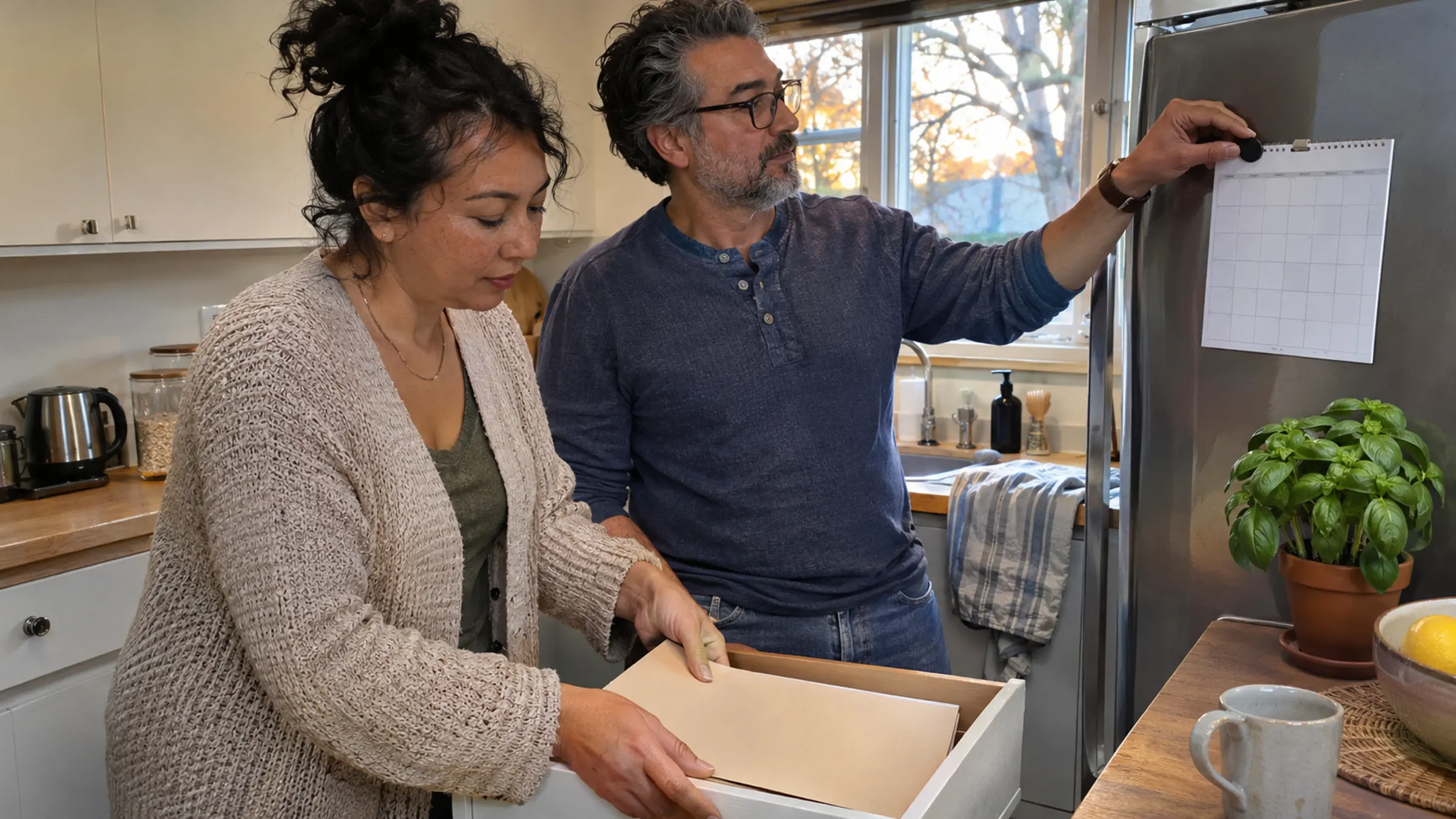
“What do I love about you?” can feel too large to answer. “What happened the last time we cooked together?” is smaller. A scene gives you actions to remember instead of qualities you think a good partner should have.
Try a few settings from your real relationship:
- An ordinary day when nothing important was supposed to happen.
- A moment when you wanted different things.
- Something new one of you was learning.
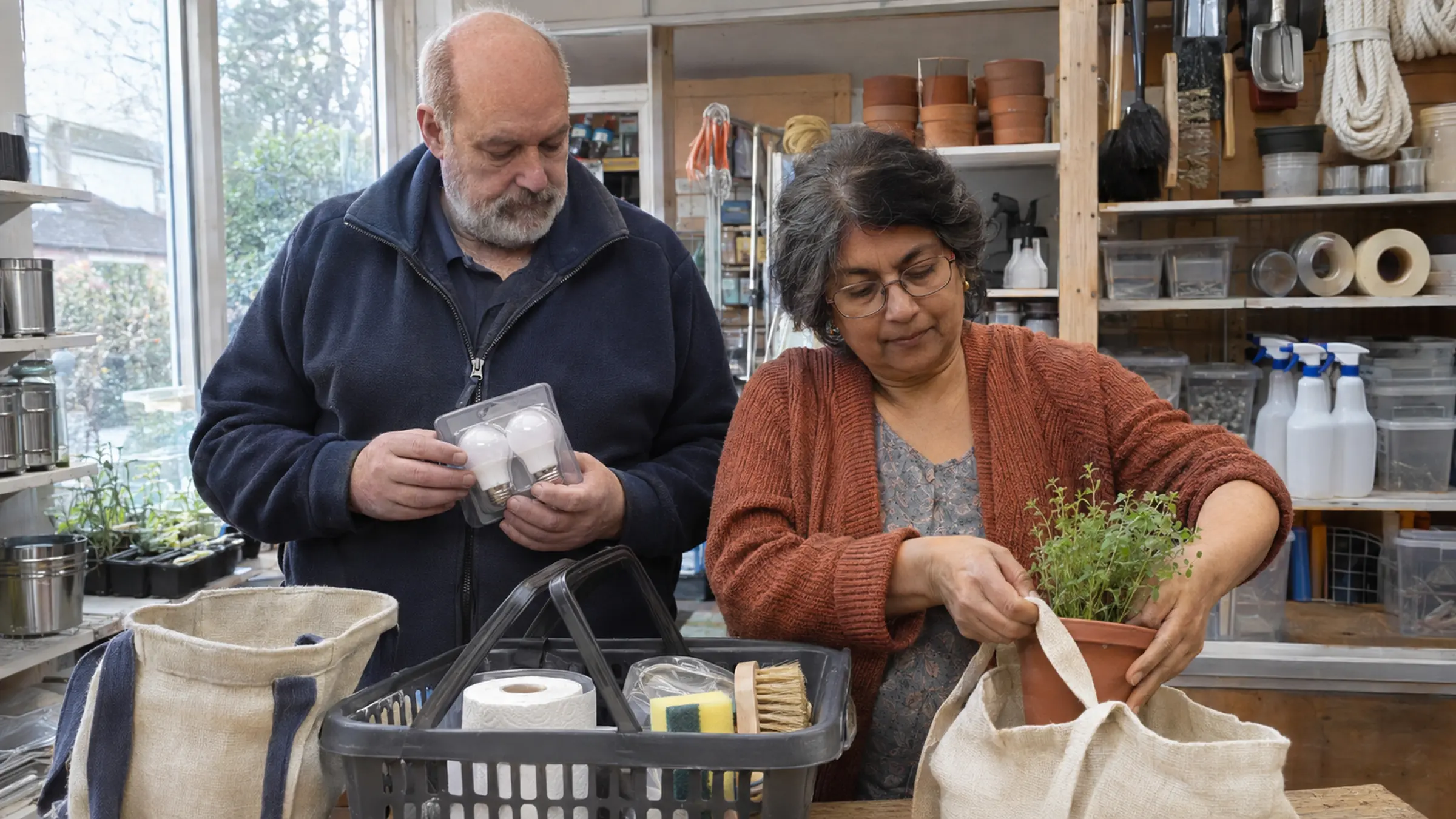
- A small plan that required cooperation.
- A conversation that was funny, unexpectedly easy, or difficult to begin.
- Time apart, including how you made room for separate interests.
These are prompts, not six categories you must fill. Skip a setting if it brings up a harmful interaction or a memory you do not want to turn into appreciation.
Keep three columns: event, action, meaning
| Event you remember | Their observable action | What it meant to you |
|---|---|---|
| You wanted different weekend plans | They asked what mattered about your plan before negotiating | Your preferences felt worth understanding |
| You introduced a hobby they did not know | They asked a question and tried it without pretending expertise | You felt welcome to have your own interests |
| You were quiet after a long day | They checked whether you wanted to talk or have space | Care did not require you to perform cheerfulness |
These invented examples demonstrate the exercise. They are not accounts from real couples. Your third column may be much simpler: “We laughed,” “I felt remembered,” or “It made a tedious errand easier.” Small effects can be worth naming.
The middle column matters because it keeps the note about a recognizable person. The last column matters because an act can mean different things to different partners. You are explaining your appreciation, not announcing a universal rule about love.
Turn one memory into a sentence
An editable starting structure is: I love [something you do], especially [the detail I remember], because [what it means to me]. Remove any part that makes the sentence clumsy.
Suppose your notes say: “Saturday errands; they remembered the book I wanted; I felt listened to.” You might write: “I love that things I mention in passing stay with you. You remembered that book when I had almost forgotten telling you about it.”
You do not need to say “because” or explain the full emotional meaning every time. Sometimes the detail carries it. If you want different words for an actual feeling, Words to Describe Being in Love can help with language after you know what you mean.
Separate appreciation from relief, dependence, and requests
Not every intense feeling belongs in a love note.
Appreciation: you value an action or quality and can describe it without demanding that it continue forever.
Relief after hurt: you feel grateful because a frightening or painful episode stopped. That may require a conversation about safety or repair rather than praise for the absence of harm.
Dependence: “I cannot function without you” may express how you feel, but it also places a heavy responsibility on the recipient. Consider a more accurate description of what their company adds to your life.
A request disguised as a compliment: “I love when you finally make time for me” contains an unresolved complaint. Say what you need separately instead of asking a note to negotiate it.
One Love's healthy relationship traits offer a useful distinction between care and control. For the separate question of basic respect versus personal preferences, read Bare Minimum in a Relationship. A well-written note cannot establish that a relationship is healthy.
Choose what belongs in this particular note
You may end up with more memories than you need. Choose according to the occasion and what the recipient would enjoy.
For a brief message, one recognizable moment can be enough. For an anniversary, choose observations from different parts of the year. For a long-term partner, include a recent discovery so the note does not describe only who they were when you met.
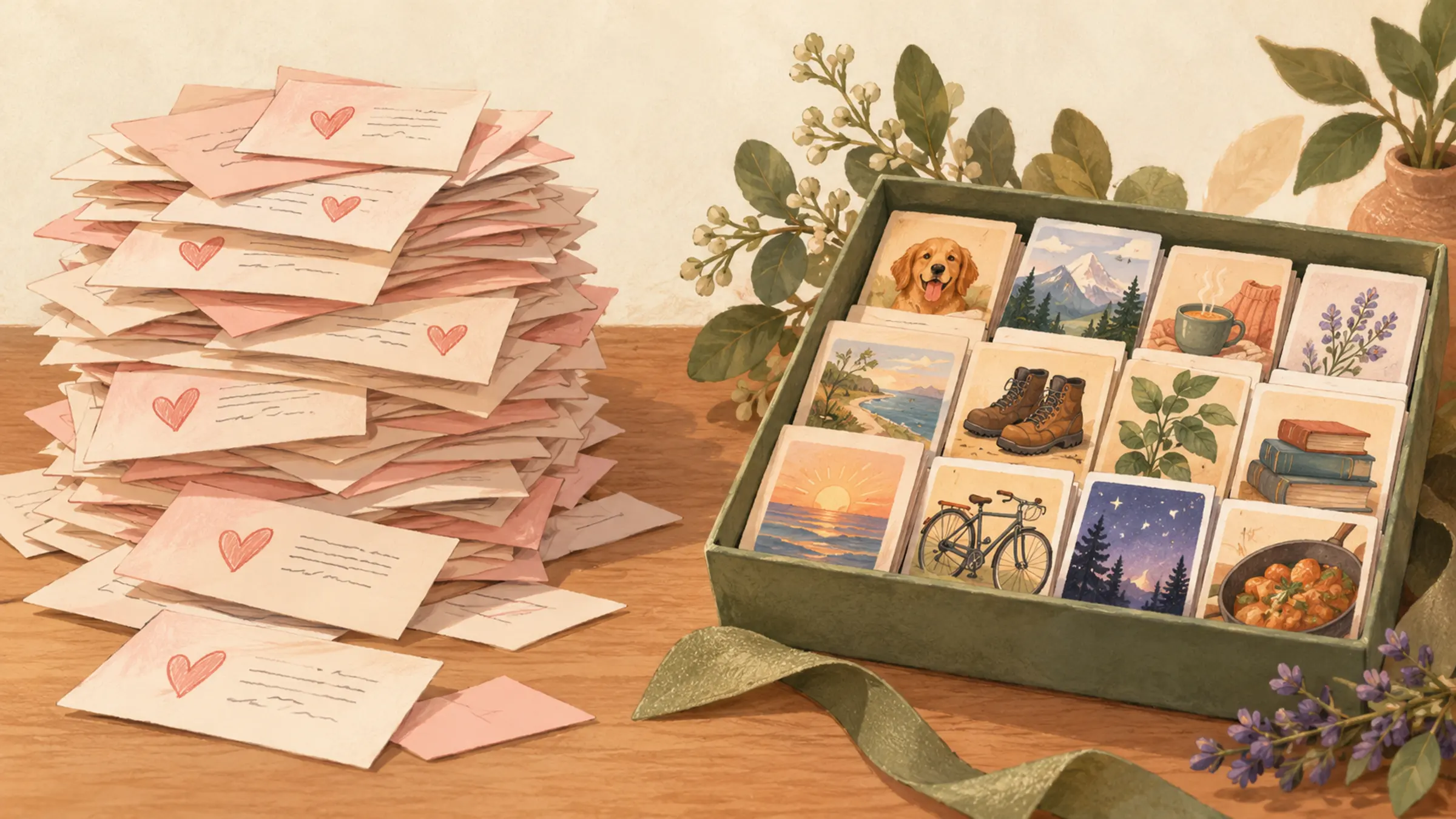
If you want 100 reasons, first see whether you have 100 distinct observations. Changing “your kindness” into “your kind heart” does not add another reason. There is no benefit in making the list long enough to sound less like your relationship.
Do not use a list to pressure someone into matching your feelings. If you are not yet in a romantic relationship, consider whether the note clearly communicates your intention and respects their freedom to decline. Friends to Lovers Signs addresses mutual participation rather than treating your appreciation as proof of theirs.
Let the note start a conversation without making it a test
You might ask, “Which of these memories do you remember differently?” or simply let the person enjoy the message. Their response does not have to match your writing style.
Gottman's explanation of emotional bids is useful for noticing everyday attempts to connect. This exercise borrows the practical attention to small interactions; it is not a validated intervention or a promise that writing a note improves a relationship.
For help turning your selected memories into a numbered gift, return to 10 Things I Love About You. If the memories instead reveal something you need to discuss, How to Repair a Relationship serves that different task.
FAQ
How do I find things I love about someone when my mind goes blank?
Recall one ordinary scene rather than trying to describe the whole person. Write what happened, what they did, and why it mattered to you. You can begin with a small detail instead of an impressive compliment.
What if my reasons sound too ordinary?
Ordinary does not mean interchangeable. A detail about a shared errand, private joke, or thoughtful question can be meaningful because the recipient recognizes it. You do not need to turn it into a dramatic claim.
How can I write 100 reasons without repeating myself?
Collect distinct memories before choosing that length. Group similar observations and combine them rather than using synonyms as extra reasons. If you have fewer honest things to say, make the list shorter.
Should I include something I want my partner to do more often?
Only include it as appreciation if you can say it without a hidden demand. An unmet need deserves its own clear conversation. A love note is not a substitute for asking for a change or addressing harmful behavior.
Written by Caleb Merridan for reflection and relationship education. Editorial policy · Report a correction
Related Articles
How to Choose a Divorce Mediator: Questions to Ask

How to Find a Couples Therapist: A Practical Guide
Marriage Counseling vs. Couples Therapy: What's the Difference?
Online Couples Therapy vs. In Person: How to Choose

How to Financially Prepare for Marriage: A Practical Checklist
Can One Partner Go to Marriage Counseling Alone?