Key takeaways
- Buying together does not by itself allow unmarried partners to file a married joint return.
- A deduction depends on eligibility, actual payments, itemizing and applicable limits—not just whose name appears on Form 1098.
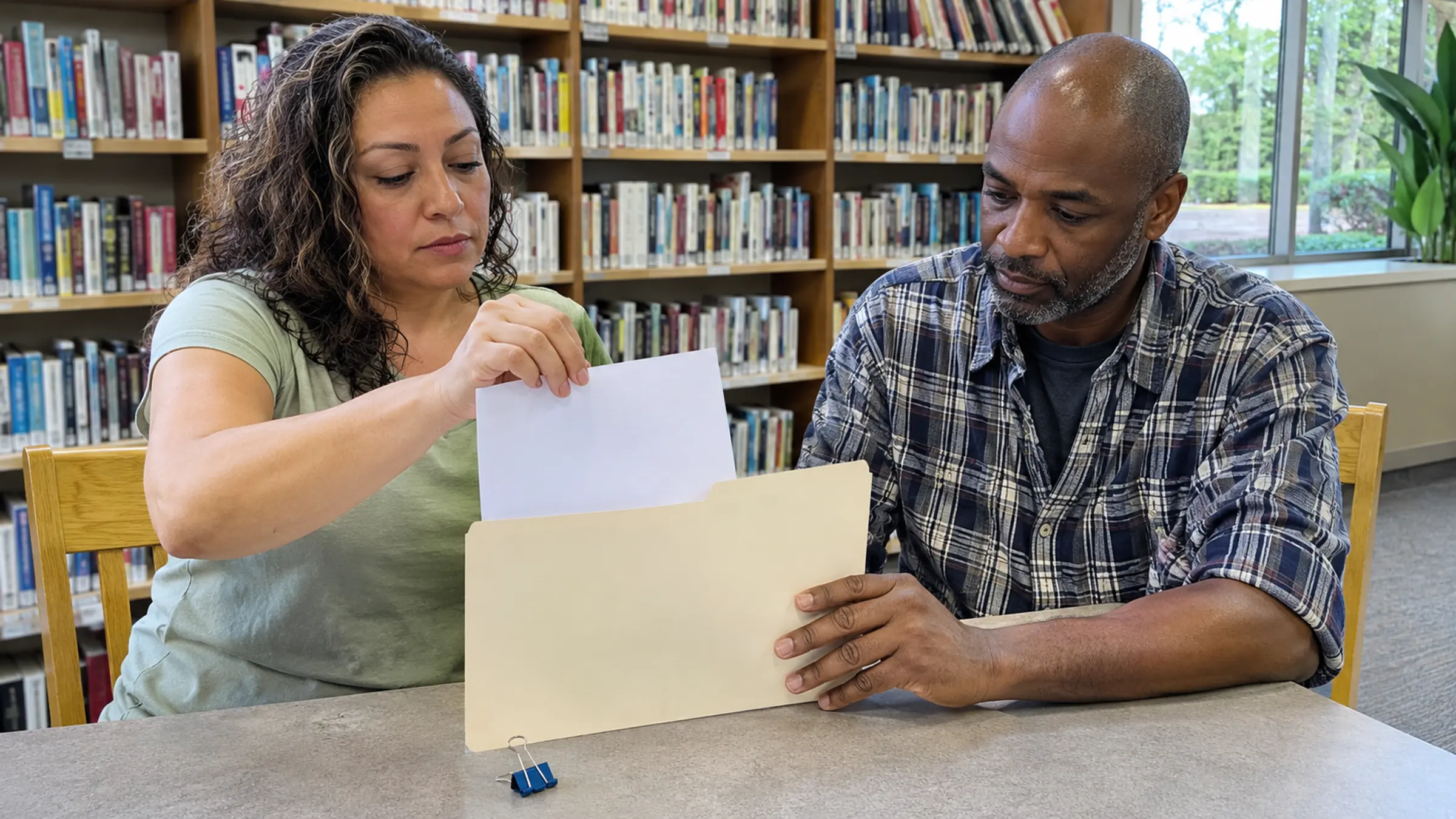
- Keep the deed, loan documents, closing statement, tax bills and payment records together, with a record of each person's contributions.
- Unequal contributions and a future sale can raise separate tax questions; ask a qualified adviser about your facts.
Understand how separate tax returns, mortgage interest, property taxes and ownership records fit together when unmarried partners buy a home.
When an unmarried couple buys a house, each partner generally files a separate federal tax return using the filing status available to that person. Buying together does not create a married joint return. Mortgage interest or property taxes may be deductible for an eligible person who itemizes, but the answer depends on the loan, ownership, actual payments and the rules for that tax year—not simply on how you agree to split household costs.
This is general US federal tax information, not individual tax or legal advice. It has not been reviewed by a tax or legal professional. State and local rules can differ. Before filing or transferring an ownership interest, consult a qualified tax professional or attorney who can review your documents.
Start with five separate records
It is easy to treat “we bought the house together” as one fact. For tax purposes, it helps to separate what you own, what you owe and what you actually paid.
| Record | What to check | Why it matters |
|---|---|---|
| Deed | Who owns an interest, and how is title held? | Ownership is relevant, but it does not by itself establish every deduction. |
| Loan documents | Who is responsible for the debt and what property secures it? | Mortgage interest rules depend on the debt and the taxpayer's circumstances. |
| Payment records | Who contributed what, from which account, and when? | An agreed percentage is not the same evidence as payments actually made. |
| Form 1098 and tax bills | What interest did the lender report? When did the taxing authority receive property tax? | These records help reconcile amounts, but one recipient's name does not settle both returns. |
| Each return | Does each person itemize, qualify and remain within applicable limits? | The benefit, if any, is determined separately for each person. |
Keep your closing disclosure, deed, mortgage statement, Form 1098, property tax bills, escrow history, bank records and receipts for improvements. A shared spreadsheet can summarize contributions, but retain the underlying statements. If money moved between partners before a payment, keep those transfers too; a tax adviser may need the full picture.
If you are still deciding whether to purchase, our guide to buying a house as an unmarried couple covers the broader ownership and relationship decisions. A cohabitation agreement can document your intentions, although an agreement alone does not determine federal tax treatment.
Can an unmarried couple deduct mortgage interest?
Potentially, yes. An eligible taxpayer generally needs to itemize deductions and satisfy the rules for qualified mortgage interest, including rules about the debt and the home. Each person should check their own eligibility and the interest they paid; a private agreement to divide a bill does not automatically make either amount deductible. The IRS mortgage interest guide, Publication 936, explains qualified homes, secured debt and limitations. The linked edition is for 2025; use the rules and forms for the year you are filing.
Example: Alex and Jordan are unmarried co-owners and both are liable on a qualifying mortgage. They contribute equally to a joint account, and that account pays the mortgage. If each actually pays half of the qualifying interest and otherwise meets the requirements, each may be able to claim their own half when itemizing. The IRS FAQ on unmarried joint owners describes this particular equal-payment situation.
Change the facts and the answer may change. If Alex provides most of the money, if only one person owns an interest, or if payments and reimbursements are unclear, do not assume the same result. In some circumstances an eligible owner who is not a named borrower may have a claim; that question depends on the legal and tax facts. Ask a professional to examine the deed, debt and payment history rather than deciding from a name on one document.
Principal is different from interest
A monthly mortgage payment may include principal, interest, insurance and amounts deposited into escrow. Repaying principal reduces the debt; it is not mortgage interest. Do not treat the entire monthly payment as an interest deduction. Property tax and insurance also have their own treatment. A lender's annual statement and escrow records can help identify the components.
What if only one person receives Form 1098?
Form 1098 reports mortgage interest information, often to one borrower. It is useful evidence, but it does not automatically give that person the right to deduct all the interest or prevent the other eligible person from claiming an amount they actually paid. Nor does it replace evidence of each contribution.
Compare the form with the loan and payment records. If more than one eligible person paid interest, check the instructions for the tax year and filing method or ask a preparer how to report it. Do not assume that a paper-return attachment instruction applies identically to electronic filing. If the figures do not reconcile, investigate before submitting either return; the same expense should not be claimed twice.
Property taxes, escrow and itemizing
State and local real estate taxes may be deductible when the applicable conditions are met, but they are part of a broader state and local tax deduction subject to limits and other rules. Each person should review what they paid, whether they can itemize and the applicable year's limits. The Schedule A instructions explain the rules; the linked 2025 instructions should not be assumed to be the 2026 instructions.
Money deposited into an escrow account is not necessarily the same as tax paid to the taxing authority that day. Check the escrow statement for when the tax was actually paid. In the purchase year, the closing statement can also show how real estate taxes were allocated between buyer and seller. Local assessments, fees and charges may not all be deductible real estate taxes.
Itemizing is a separate decision from splitting payments. Each person should compare the standard deduction with their own allowable itemized deductions under their applicable filing rules. Paying a potentially deductible expense does not guarantee a tax saving, and partners need not assume their outcomes will match.
Unequal contributions, ownership and possible gifts
One partner might provide more of the down payment, pay more of the mortgage or fund an improvement. That does not automatically mean gift tax is owed, and it does not rule out a gift. The analysis can depend on who receives an ownership interest, what each person gives or receives in return, loan obligations and the surrounding facts.
The IRS gift tax FAQ explains that transfers for less than full consideration can raise gift questions and that the donor is generally responsible for gift tax. A possible gift, a requirement to file a return, a taxable gift and actual tax due are different questions. Do not apply rules for married spouses to unmarried partners without advice. Before changing title or assuming that a larger contribution purchases a particular share, ask a tax professional and a local real estate attorney to review the proposed arrangement.
Put your contribution and ownership plans in writing, including how you will handle repairs, a sale or a buyout. A written agreement may help preserve intent and records, but it does not replace the deed, lender agreement or legal advice.
If you sell, separate each person's tax facts
A future sale can raise capital gain and home-sale exclusion questions. Whether either partner qualifies depends on that person's ownership, use and other circumstances under the rules for the year of sale. Living together does not automatically give unmarried partners the same treatment as a married couple filing jointly, and both partners do not automatically satisfy the requirements in the same way.
The IRS home sale guide, Publication 523, discusses eligibility, basis and records. Keep purchase documents, improvement receipts and evidence of residence; ordinary repairs and capital improvements may be treated differently. Ask an adviser how the rules apply before relying on a particular exclusion or sale outcome.
If plans change earlier, our guides to one partner moving out of a jointly mortgaged home and buying out a partner discuss different decisions. A private agreement about payments does not itself release a borrower from a lender's loan.
Questions to take to your tax adviser
Bring the documents above and ask:
- Given our deed, loan and actual payments, is either of us eligible to deduct mortgage interest or property tax, and how should it be reported for this tax year?
- How do payments from our shared account and any reimbursements affect the analysis? What records do you need?
- Would either person benefit from itemizing after the applicable limits are considered?
- Do our down payments, ownership shares or proposed title changes raise gift reporting or other tax questions?
- What records should each of us keep for a future sale, buyout or change in residence?
- Do our state or local rules create different results?
Make the appointment before a filing deadline or planned transfer, while there is time to locate missing records and review the facts.
Frequently asked questions
Can unmarried couples file a joint tax return after buying a house?
Buying a home together does not make unmarried partners eligible to file as married filing jointly. Each person uses the filing status available under their own circumstances. Ask a tax professional if your status is unclear.
Can both unmarried partners deduct mortgage interest?
Both may be able to deduct eligible interest on their separate returns if each meets the applicable requirements, itemizes and has qualifying payments. Ownership, debt, payment records and limits matter. Do not assume an automatic half-and-half deduction.
What if only one partner receives Form 1098?
The form reports information to the recipient, but receiving it alone does not determine who may claim all the interest. Keep the form and records of payments, and check the applicable year's IRS instructions or ask a tax professional how each eligible person should report their share.
Can we deduct all the money we put into our mortgage?
No. Mortgage principal is not mortgage interest, and other amounts in a monthly payment may have different tax treatment. Eligibility for any deduction also depends on the relevant rules and each person's circumstances.
Does an unequal down payment mean one partner owes gift tax?
Not automatically. Whether a transfer is a gift depends on the facts, including ownership, consideration and other arrangements. A reporting obligation, a taxable gift and tax actually due are separate questions for a qualified adviser.
Do both partners qualify for a home sale exclusion?
Not automatically. Each person's eligibility depends on the applicable rules and their own ownership, use and other facts. Keep purchase, improvement and residence records, and review the rules for the year of sale.
Written by Caleb Merridan for reflection and relationship education. Editorial policy · Report a correction