
Key takeaways
- Moving out alone usually does not release a co-borrower from a joint mortgage.
- Occupancy, ownership, private payment arrangements and liability to the lender are separate questions.
- Keep track of payments while discussing a written interim plan and possible long-term options.
- Ask the servicer about your loan and obtain written confirmation of any release; seek local legal advice before signing.
Understand what moving out changes, what it does not, and how unmarried co-borrowers can plan their next steps.
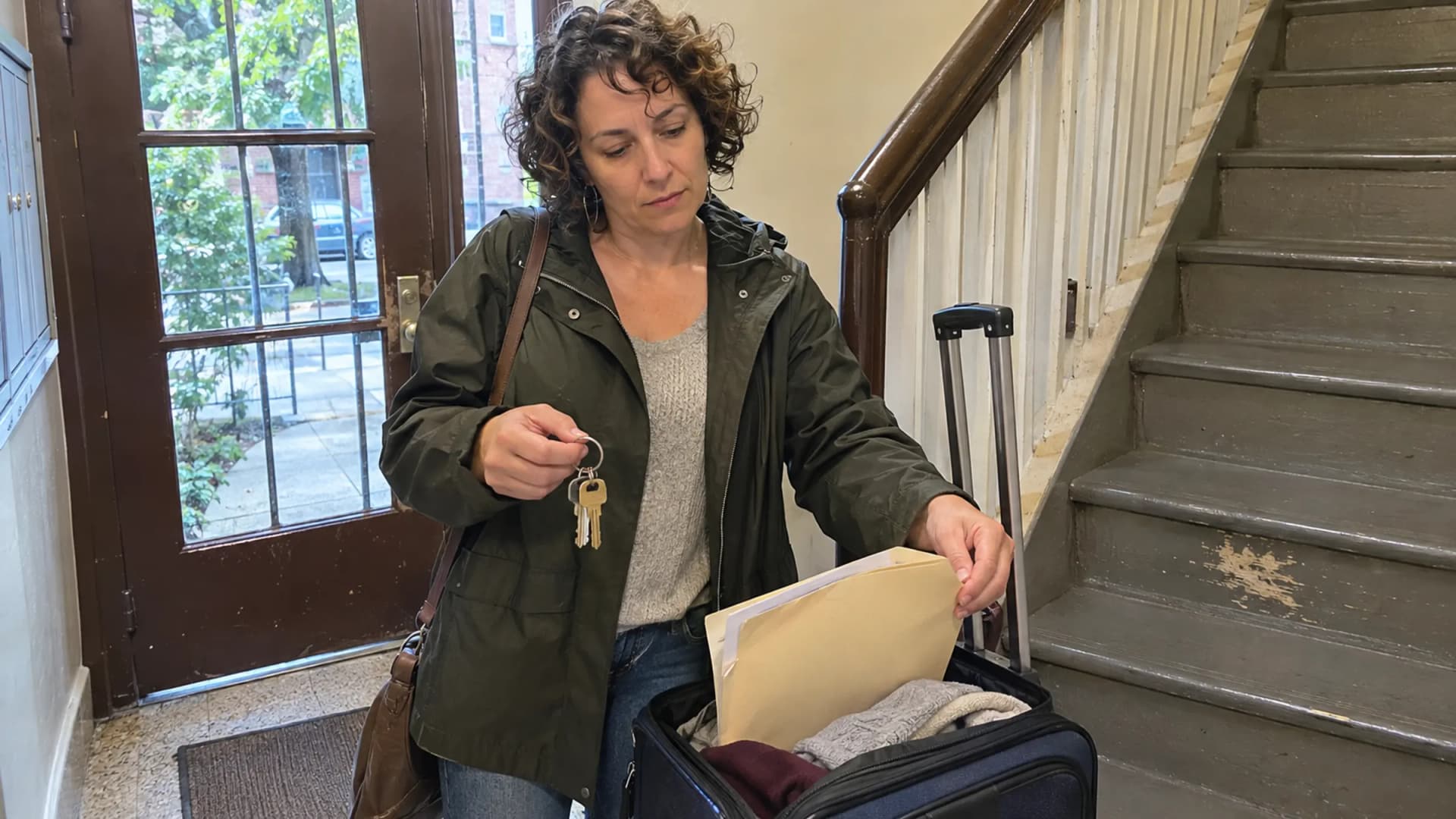
When unmarried partners share a mortgage and one person moves out, the move alone usually does not remove either borrower from the loan. Both people who signed as borrowers may remain responsible for the mortgage, even if only one lives in the home or their private agreement says that person will pay. Check the note, deed and loan status, then ask the mortgage servicer what options and any release are available.
This is general US information, not legal, tax or financial advice. It has not been reviewed by a legal or financial professional. State law, your documents and your loan matter; consult a local attorney and your servicer before signing or changing a payment arrangement.
What changes when one partner moves out?
Separate four questions before deciding what to do next:
| Question | What moving out means | What to check |
|---|---|---|
| Who lives there? | One person's address or possession may change. | Agree on access, belongings and a temporary occupancy plan, subject to applicable law. |
| Who owns the home? | A move alone does not settle ownership or the value of an interest. | Review the deed, agreements, other relevant records and state law with an attorney. |
| Who pays between you? | You can discuss a temporary division of expenses. | Put the amount, due dates, proof of payment and fallback in writing. |
| Who owes the lender? | A private arrangement or move does not itself release a borrower. | Check the note and ask the servicer about payoff, assumption and any written release. |
The Consumer Financial Protection Bureau's archived guide to buying with someone else explains that co-borrowers can each be responsible for the full payment and that an agreement between them does not change their responsibility to the lender. The article is archived and may not describe every current option; ask your servicer about your loan.
Hypothetical example: Alex and Jordan both signed the note and both are on the deed. Alex moves out, and Jordan agrees to make each monthly payment. That can be a useful private arrangement, but it does not by itself release Alex from the debt. If a payment is missed, the lender may still seek payment under the loan terms, and both borrowers' credit may be affected. Nor does Alex's move alone determine Alex's ownership interest.
The result can differ if only one person signed the note, if title is held differently, or if another agreement or order applies. Do not infer the answers from whose name is on a monthly bill. Review the actual documents with qualified help.
What to do first after moving out
- Find the loan and ownership records. Gather the note, mortgage or deed of trust, deed, current statement, insurance information and any co-ownership agreement you can lawfully access. Identify all borrowers, owners, other liens and relevant deadlines.
- Check the payment status. Ask the servicer about the amount due, due date, any arrears and how each authorized borrower can receive statements or verify payment. Keep records and update contact details through the servicer's approved process.
- Address any immediate difficulty. If a payment may be missed, contact the servicer promptly to discuss available assistance. Do not assume that moving out, a breakup or an informal promise pauses the loan.
- Get advice before transferring an interest. An attorney in the property's state can explain ownership, possible claims, occupancy and the effect of a proposed agreement or deed. Each person may need independent advice.
If you already have a cohabitation agreement, bring it along. Its terms may be relevant between you, but it does not automatically change the lender's rights. If threats, coercion or fear make joint discussions unsafe, seek confidential individual legal or support advice rather than assuming mediation is appropriate.
Make a temporary payment plan in writing
A temporary plan can give both people time to investigate options while payments and other costs continue. Ask a local attorney what should be included and whether the proposed terms are enforceable. At a minimum, discuss:
- Who will pay the mortgage, property taxes, insurance, utilities, association dues and necessary repairs; the amounts and due dates.
- How both borrowers can verify that the servicer received each payment, and what notice and action are expected if a payment cannot be made.
- Who may occupy or access the home and how belongings and essential maintenance will be handled.
- Whether any payment or improvement may be accounted for later, without assuming it automatically changes ownership shares.
- A review date, the documents needed to assess a buyout or sale, and what happens if financing is denied or no agreement is reached.
Keep receipts and statements. A written arrangement may clarify expectations between the parties, but it is not a lender release and does not guarantee reimbursement or establish either person's ownership share.
Compare the possible long-term options
| Option | How it may work | Key question before relying on it |
|---|---|---|
| Refinance | A qualified borrower takes out a new loan that pays off the existing mortgage. | Can that person qualify, afford the new payment and cover closing costs? When will the existing debt be paid off? |
| Assumption or other approved change | The servicer may permit an eligible person to take over an existing loan under its rules. | Does this loan qualify, what review and fees apply, and will the departing borrower receive a separate written release? |
| Buyout | One owner acquires the other's interest using agreed funds or financing. | How are the interest, payment, deed and existing mortgage coordinated? A buyout alone does not erase a loan obligation. |
| Sale | The owners sell and use closing proceeds toward the mortgage and other costs. | Are all necessary owners able to agree, will proceeds cover the payoff and costs, and what happens if they do not? |
| Temporary co-ownership | Both retain their existing positions for an agreed period while exploring a later outcome. | Can both manage the ongoing risk, payment verification, maintenance and a clear decision deadline? |
These are possibilities, not guaranteed approvals or outcomes. A loan can have a favorable existing rate and still require lender review for an assumption or release; a refinance may have a different rate and costs. Fannie Mae's consumer guide distinguishes changing ownership from changing the mortgage and discusses refinancing, assumption and release. Ask your own servicer which rules apply.
For some eligible Fannie Mae loans, the servicing guide's transfer rules describe an exemption for a qualifying transfer between unrelated co-borrowers under specific conditions. An exemption from due-on-transfer enforcement is not the same as a release of the departing borrower; a requested release involves separate review. This is not a promise that your loan or transfer qualifies.
If a buyout seems possible, our guide to buying out a partner from a jointly owned house walks through valuation, funding and coordination. If selling or refinancing would leave a shortfall, ask the servicer and a local attorney about the available process and consequences before agreeing to a deadline.
Questions to ask the mortgage servicer
Have your loan information ready and record the date, the representative's name and any reference number. Ask for the applicable requirements in writing:
- Who is currently listed as a borrower, what is due and is the account current?
- What is the loan type, and who owns or backs it? Does it permit assumption or another change for our circumstances?
- What documents, fees, underwriting and timelines apply? Is a transfer subject to a due-on-sale or due-on-transfer clause, or an applicable exception?
- Is a release of liability available for the departing borrower? Is it separate from an assumption or deed transfer, and what written confirmation would establish it?
- What is the payoff process if we refinance or sell? What assistance is available if we cannot make the next payment?
Do not sign away an ownership interest on the assumption that the other person will remove you from the loan later. Ask the attorney and closing professional how to coordinate the deed, funds, payoff and any release, including what happens if a condition fails.
If you cannot agree
An attorney can explain negotiation, possible court processes and the costs and risks under the relevant state law. A court-ordered sale or a particular division is not automatic. Where it is safe and suitable, a neutral mediator may help people explore an agreement; our explanation of mediation in divorce describes the process, although unmarried co-owners' legal rights and available procedures can differ.
The rules that apply to divorce or to inheriting a home should not be assumed to apply to every unmarried separation. The CFPB has described mortgage servicing problems after divorce or death in those particular circumstances. For the separate divorce question, see who gets the house in a divorce; ask a local attorney which rules apply to you.
Frequently asked questions
What happens to a joint mortgage when an unmarried partner moves out?
Moving out alone generally does not change the loan contract. If both signed as borrowers, both may remain responsible until the loan is paid off or the lender releases a borrower. Check the loan documents and ask the servicer about your circumstances.
Can I stop paying the mortgage if I move out?
Moving out does not itself end a co-borrower's obligations. A private agreement about who pays does not necessarily bind the lender, and missed payments can affect both borrowers. Ask the servicer and a local attorney before deciding how to handle payments.
Does a quitclaim deed remove my name from the mortgage?
No. A deed transfers an ownership interest; signing one does not by itself release a borrower from the loan. Ask the servicer and a local attorney how the proposed deed, payoff and any written release should be coordinated.
Can one unmarried partner take over the joint mortgage?
Sometimes an assumption or another servicer-approved arrangement is available, depending on the loan and circumstances. Ask about eligibility, review, costs and whether the departing borrower can receive a separate written release. Approval is not guaranteed.
What if neither partner can afford to keep the house?
Discuss the situation promptly with the servicer and seek local legal advice. Depending on the facts, options may include a sale or another documented arrangement. Ask about the mortgage payoff, any shortfall, deadlines and the consequences of missed payments.
Does moving out mean giving up my share of the house?
Moving out does not by itself resolve ownership or the size of an interest. The deed, agreements, state law and individual facts matter. A local attorney can explain how they apply before you agree to transfer an interest.
Written by Caleb Merridan for reflection and relationship education. Editorial policy · Report a correction