Key takeaways
- Buying together can work, but neither being unmarried nor getting loan approval answers whether it fits your finances and plans.
- Decide who borrows, who owns, how costs are shared and how a change or separation would be handled.
- A private agreement does not automatically change the deed or release a borrower from a mortgage.
- Discuss the documents with independent local legal and financial professionals before committing.
Compare the financial, ownership and exit-planning questions to discuss before buying a home with an unmarried partner.
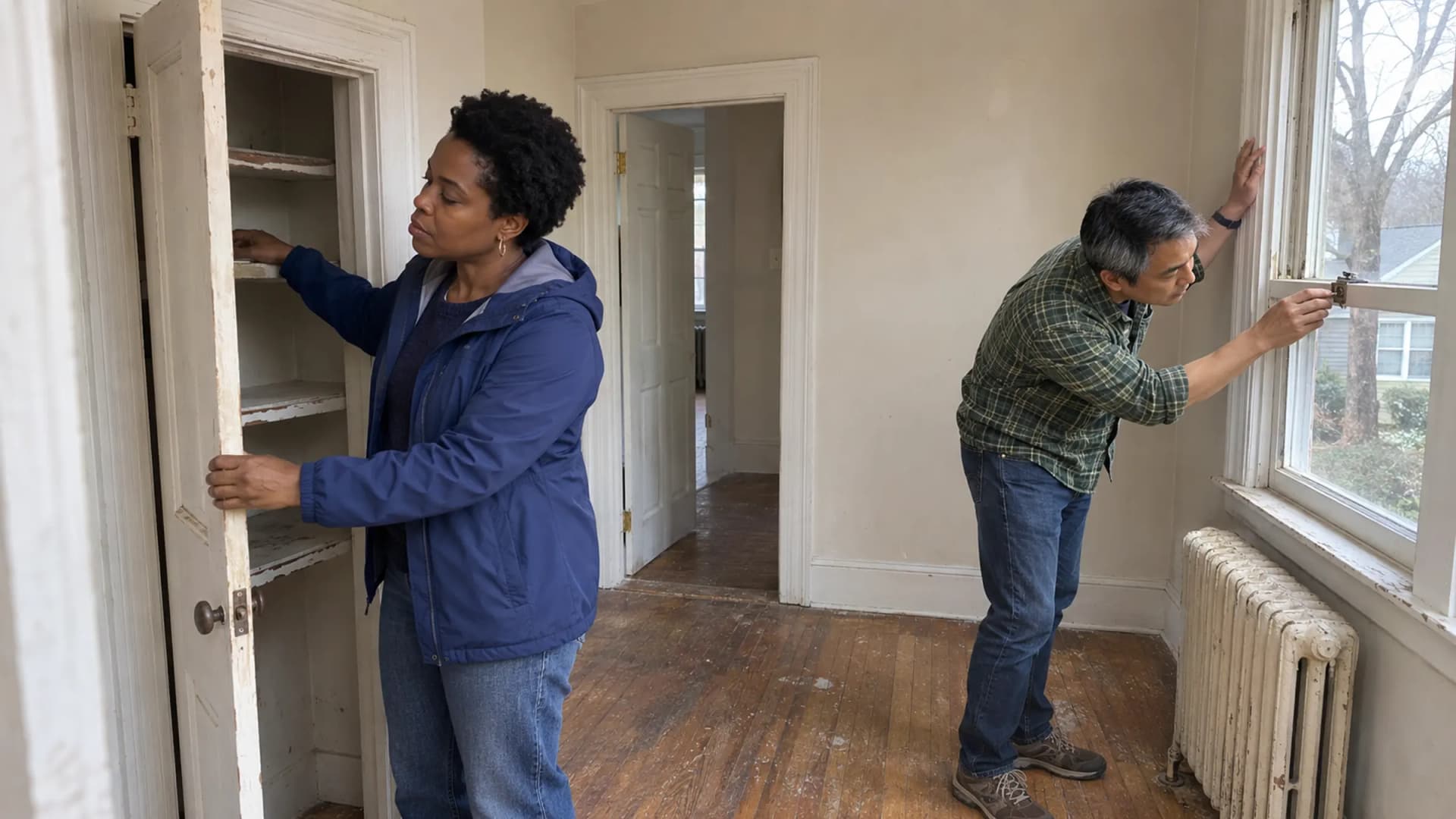
Unmarried couples can buy a house together, but whether they should depends on more than qualifying for a mortgage. Before committing, compare the full cost with each person's budget, decide who will own and borrow, and discuss what happens if one person cannot pay, wants to leave or dies. Buying may make sense when both understand and can accept the arrangement; waiting or choosing a different arrangement may be better when those questions are unresolved.
This is general US information, not legal, tax or financial advice, and has not been reviewed by a legal or financial professional. State law, the loan and your circumstances matter. Speak with a local real-estate attorney, a lender and, where useful, a qualified financial or tax professional before signing.
A practical decision: buy now, pause or consider another arrangement
This is a discussion framework, not a score or a guarantee of a good outcome. More than one path may be reasonable.
| Possible direction | Conditions worth checking | Next step |
|---|---|---|
| Explore buying together | Both understand the total cost, proposed ownership and loan responsibility; each can seek advice; there is a realistic plan for a change or exit. | Compare loan terms and have appropriate documents reviewed before committing. |
| Pause the purchase | The payment leaves little room for repairs or income changes, one person feels pressured, or the proposed shares and exit terms are unresolved. | Revisit the budget, build a plan and get independent advice; renting longer is one possible choice. |
| Consider a different arrangement | One person wants to buy alone, or you want different ownership or borrowing roles. | Ask a lender and attorney what is permitted and how contributions, occupancy and any future interest would be treated. |
A preapproval can help you understand a lender's preliminary terms, but it is not a personal guarantee that the payment will fit your life or that a final loan will close. Compare the purchase with your other goals and obligations before agreeing to it.
Can you afford the house as well as the mortgage?
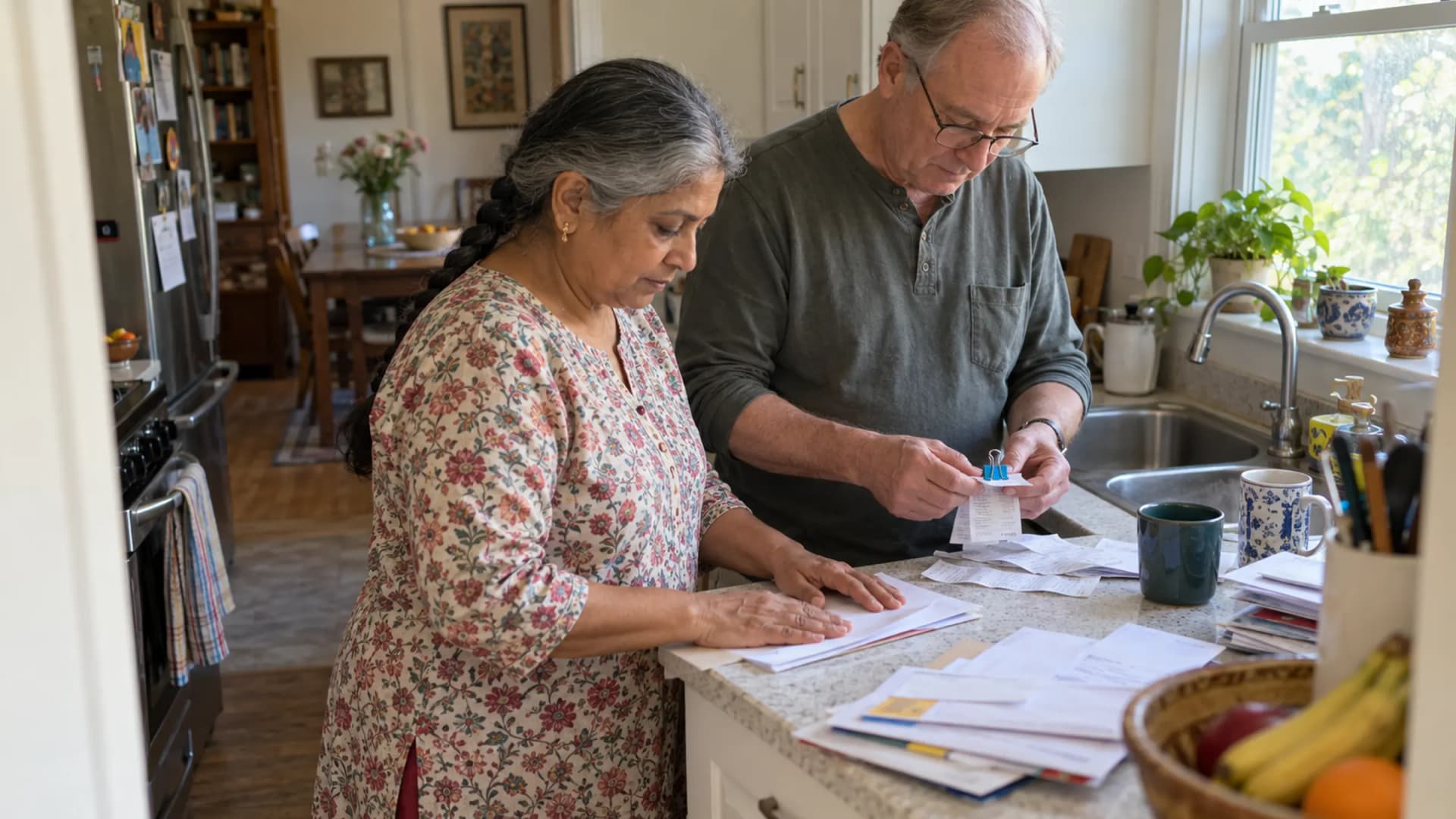
Put actual numbers in a shared budget: down payment, closing and moving costs; monthly principal and interest, taxes, insurance, association dues if applicable, utilities and maintenance; and money for unexpected repairs. Consider cash left after closing, other debts and the costs each person will still carry separately. Ask for current estimates rather than relying on the seller's bill or an online payment alone.
Discuss a realistic interruption: if one income stopped or a major repair arose, who could pay, for how long and from what funds? An emergency reserve is a planning choice, not a legal requirement with one correct amount. If the plan only works when both incomes and every assumption remain perfect, consider a lower budget or more time to prepare.
Separate the mortgage, deed and living arrangement
| Decision | What it concerns | A question to ask |
|---|---|---|
| Mortgage or note | Who agrees to repay the loan. | Who will apply, and what responsibility will each borrower accept? |
| Deed and title | Who receives an ownership interest and how it is held under applicable law. | What shares and form of title fit our intentions and state law? |
| Costs between partners | How you intend to share down payment, monthly costs, repairs and other expenses. | Are these payments intended as expenses, contributions toward ownership, or something else? |
| Occupancy | Who expects to live in and use the home. | What happens if someone moves or a household member needs access? |
These decisions can interact, but one does not automatically answer the others. The CFPB's archived guidance on buying with someone else explains that joint borrowers can each be responsible for the full loan payment; a private agreement to split it does not itself change the lender's rights. Missed payments can affect both borrowers' credit. Because that guidance is archived, ask the lender for current terms and options.
Hypothetical example: Sam contributes $60,000 toward a down payment and Lee contributes $20,000. They are considering equal monthly payments. Those figures alone do not establish whether their intended ownership should be equal, unequal, or structured another way, nor whether Sam should be reimbursed first. They can document their intentions and ask separate local attorneys how the deed, any agreement and later contributions should work together. If both sign the note, their private split does not by itself limit what the lender may seek under the loan terms.
Decide whose name goes on the loan and title
Ask a lender how applying together or individually affects eligibility, rates, fees and responsibility. Do not add someone to a loan merely to signal commitment, or exclude someone without understanding the consequences. Compare written loan estimates and the household budget. A larger income or down payment does not alone decide a fair arrangement.
Ask a local real-estate attorney or title professional about the forms of ownership available in your state, their consequences for transfers, a separation and death, and whether the deed reflects your intended interests. For example, California Courts describes survivorship for certain jointly held property; that explanation is specific to California and the way title is held. Do not assume all states or forms of title work the same way.
If only one partner will own, both should understand what the other person's payments are intended to cover and whether either expects an interest or reimbursement. Conversely, being on the deed does not by itself explain who owes the lender. Get advice before relying on a verbal understanding or transferring an interest.
Discuss an agreement and the unexpected before closing
A written co-ownership or cohabitation agreement may help record your intentions, but its effect and enforceability depend on local law and the facts. Ask independent local attorneys which documents and formalities fit your situation. Consider these questions:
- How will the down payment, closing costs, regular bills and major repairs be funded and documented?
- If contributions differ, what ownership interests or reimbursement arrangements do you intend, if any? How will changes be agreed and recorded?
- If one person cannot pay or wants to leave, who can occupy the home, who pays meanwhile and when will you review the plan?
- If a buyout is proposed, how will the home be valued, what costs are considered, how is financing checked and what happens if it fails?
- If you sell, how will the decision, timing, sale costs, debts and possible shortfall be handled?
- What should happen if one person dies or becomes unable to manage their affairs? Ask an estate-planning attorney how title, a will, beneficiary designations and other documents fit together.
The cohabitation agreement preparation checklist can help organize topics for a legal consultation; it is not a contract or a substitute for advice. An agreement between partners does not automatically change a deed or lender's rights. If either person feels pressured or unsafe, seek confidential individual advice and support before a joint negotiation.
What if one partner wants out later?
The options may include a negotiated buyout, a sale or another arrangement, depending on the documents, finances, lender and law. None is guaranteed: a partner may not qualify for a new loan, and a sale may not cover the mortgage and costs. A deed transfer or private promise to pay does not itself release a co-borrower. Fannie Mae's ownership-transfer guide distinguishes changes in ownership from assumption and release; ask the servicer what applies to the specific loan and obtain written confirmation of any release.
For a deeper look at valuation and funding, see how to buy out a partner from a jointly owned house. If a co-borrower has already left, what happens when one partner moves out of a jointly mortgaged home covers immediate payment and liability questions. Neither guide determines your particular legal rights.
Frequently asked questions
Can unmarried couples buy a house together?
Unmarried people can buy a home together, subject to the transaction, financing and applicable state law. Decide who will be on the deed and any loan, and ask local professionals how the proposed arrangement works before signing.
Should we buy a house together before marriage?
It depends on your budget, plans and willingness to document ownership, costs and possible changes. Consider waiting or another arrangement if either person cannot comfortably understand or accept the risks. Marriage is not a substitute for understanding the documents.
Do both partners have to be on the mortgage and the deed?
Not necessarily. Borrowing and ownership are separate decisions, but a lender, loan program and state law may impose requirements. Ask the lender and a local attorney how the proposed combination affects each person before signing.
What if one person pays a larger down payment?
A larger contribution does not by itself settle each person's legal ownership interest or future reimbursement. Discuss the intended shares, records and treatment of later costs with a local attorney, and coordinate the agreement and deed.
What happens if we break up after buying?
The outcome depends on the deed, loan, agreements, applicable law and whether you can agree. Possible paths may include a buyout or sale. Moving out or signing a deed does not by itself release a co-borrower from the mortgage.
Does a cohabitation agreement protect both partners?
It can record expectations about costs, property and an ending, but enforceability varies. It does not automatically change a deed or lender's rights. Each person can ask an independent local attorney about the appropriate documents.
Written by Caleb Merridan for reflection and relationship education. Editorial policy · Report a correction