Key takeaways
- You can seek individual counseling about your relationship even if your partner does not attend.
- A private appointment with an existing couples therapist may follow different client and confidentiality rules from individual therapy.
- Ask the provider about their role, privacy, fees and what would happen if your partner joins later.
- If you fear abuse or retaliation, seek confidential, safety-aware support instead of assuming joint counseling is safe.
Learn how to seek relationship support alone, what to ask about privacy and when a joint session may not be safe.
Yes. You can seek counseling about your marriage on your own, even if your partner does not want to attend. An individual therapist can help you explore your experience, needs and choices. Some couples therapists also meet one partner separately as part of work with a couple; that is a different arrangement, so ask how the appointment and privacy rules work.
Going alone does not make you responsible for fixing the relationship, and it cannot guarantee that your partner will change. This article is general information, not therapy or a diagnosis. It has not been reviewed by a mental health professional.
Choose the right starting point
The phrase “marriage counseling alone” can mean different things. Start with the situation you are actually in:
- You have not booked a therapist together. You can look for individual counseling and explain that your relationship is one reason you are seeking support. Ask whether the clinician works with individuals on relationship concerns.
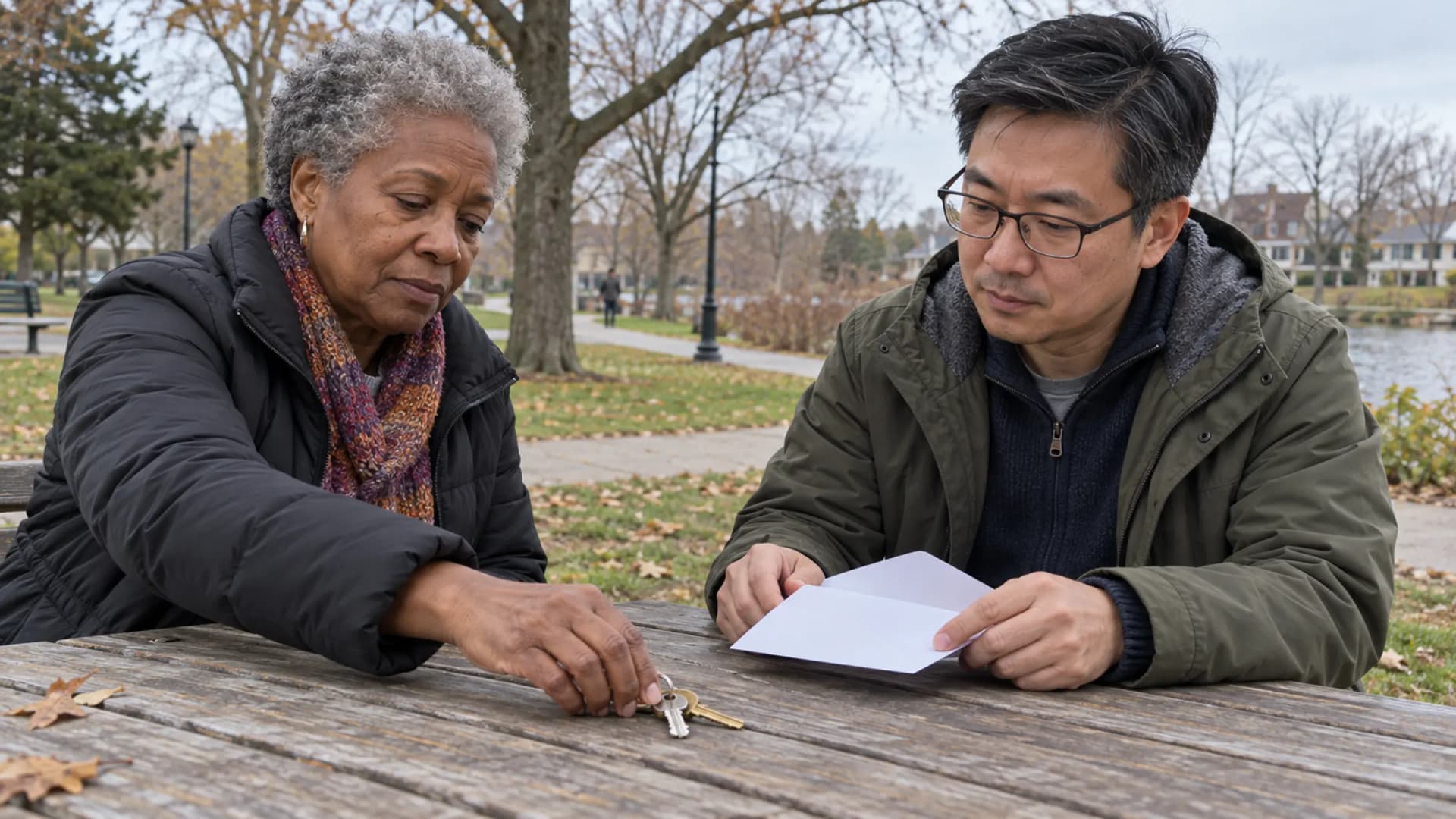
- You booked a first couples appointment, but your partner cannot or will not come. Contact the provider before the appointment. Ask whether they offer a solo intake, whether the appointment would be individual or part of couples work, and what happens to the fee if the format changes.
- You already see a couples therapist together. Ask that therapist whether they meet partners separately and how information from such a meeting is handled. Do not assume a private meeting has the same rules as a separate individual therapy relationship.
For example, imagine two people booked a first session, and one says the day before that they are not coming. The person who still wants help can call the office and say, “I would like to keep an appointment if possible. Would this be an individual consultation, a couples intake with one person present, or something else?” The answer depends on the provider; neither person has to guess.
What can individual counseling help with?
You might want a space to understand a recurring disagreement, make sense of your feelings, decide what boundaries matter to you or consider what you want to do next. You can also talk about the strain of being the only person currently seeking help. The National Institute of Mental Health explains psychotherapy and suggests asking a provider about their experience, approach and goals.
You do not need a polished account of the relationship. To prepare, you could note one recent situation, what happened, how it affected you and what you hope to understand. For example: “When we discuss bills, the conversation ends before we decide anything. I want help identifying what I need and how to raise it.” The therapist can ask questions and help you decide where to begin.
Individual support has limits. The clinician hears your perspective; they cannot assess an absent partner as if they had met them, require that person to participate, or promise that the marriage will improve. You can work on your own responses and decisions without treating another person's conduct as your responsibility.
Is this the same as couples therapy?
Not always. In individual therapy, you work with a clinician on your own goals, which can include relationship concerns. In couples therapy, the provider works with the partners on an agreed relationship-focused process. A couples therapist may sometimes meet each person separately as part of that process, but an individual meeting within it is not automatically the same as having your own individual therapist.
Different clinicians use different policies. GoodTherapy presents several therapists' approaches to individual meetings during couples work. Before sharing something sensitive, ask how your provider handles information, records and confidentiality, including any legal exceptions. Do not assume either that everything will be shared with your partner or that everything will remain secret.
What if my partner may want to join later?
You can begin by asking the individual therapist whether they also offer joint work and how they handle a change in the treatment arrangement. Some providers may invite both people to discuss a transition; others may recommend a different couples therapist. Their decision can depend on professional responsibilities, consent, policies and the situation.
Before any change, ask:
- Who will be the client or clients in the new arrangement?
- What happens to information shared in earlier individual sessions?
- What privacy rules and legal exceptions will apply to each person?
- Can either of us choose a different provider or decline a joint session?
- What are the fees, cancellation terms and insurance arrangements for each format?
Your partner gets to decide whether to participate. A joint appointment should have a purpose both people understand; it is not a way to compel someone to accept a therapist's verdict. If you are considering a shared session, these relationship counseling questions can help you prepare for a conversation with a provider.
How to respond when your partner says no
If it feels safe to talk, you can ask what concerns them without deciding what the refusal means. Cost, timing, privacy, a previous experience or uncertainty about the process may matter, but only your partner can explain their own reasons. They may also simply not want to attend.
You might say: “I would like support with how we handle this issue. Would you be willing to talk about what concerns you about counseling? I am also going to look for support for myself.” Then listen without demanding an immediate answer. If the answer remains no, you can still decide what support and next steps are right for you.
You do not have to keep persuading someone indefinitely or promise to stay while waiting. Individual counseling can be a place to consider what you need whether you hope to repair the relationship, are unsure, or are considering a separation. Our guide to couples therapy for breaking up explains questions relevant when the relationship's future is uncertain.
When safety comes first
If you are afraid of threats, monitoring, intimidation or retaliation, a joint session may not be a safe place to disclose what is happening. The National Domestic Violence Hotline advises against couples counseling with an abusive partner because disclosures and the therapy process can be used against the person experiencing abuse.
Consider contacting a domestic violence advocate or a clinician with relevant experience privately, using a device and communication method that are safe for you. In the United States, the Hotline offers support at 800-799-SAFE (7233), by text at START to 88788, or through its website. If you are in immediate danger, contact local emergency services when safe. A partner declining therapy alone does not establish that abuse is present; you can seek support for the behavior and safety concerns you are experiencing.
Finding and paying for individual support
When contacting a provider, describe what you want help with and ask about their credentials, experience with relationship concerns, availability, fees and privacy. You can also ask how you will review whether the work is helping and what to do if the approach is not a good fit. The NIMH guide offers questions for choosing a mental health professional.
If you plan to use insurance, ask both the provider and your insurer about the specific individual service, network status, benefits, expected out-of-pocket cost and any information required for a claim. Coverage for an individual session should not be assumed from coverage for couples work, or vice versa. See does insurance cover couples therapy? for questions to ask about joint sessions.
FAQ
Can I go to marriage counseling if my partner refuses?
You can seek individual counseling about your relationship and your own needs. Ask a provider whether they offer that service and how they describe it.
Is going alone the same as couples therapy?
Not necessarily. Individual therapy and an individual meeting within a couple's treatment can have different goals, client relationships and privacy rules. Ask your provider to explain the arrangement.
Can my partner join my individual therapist later?
Possibly, if the clinician offers that arrangement and everyone agrees. Ask about roles, confidentiality and whether a separate couples therapist would be appropriate before making the change.
Will therapy make my partner change?
No. Individual work may help you understand your options and decide how you want to respond, but it cannot guarantee another person's participation or behavior.
Can I meet our couples therapist privately?
Ask your therapist whether they offer individual meetings and how information from them is handled. Policies and legal duties vary.
Written by Caleb Merridan for reflection and relationship education. Editorial policy · Report a correction