
Key takeaways
- Counseling can focus on a possible or completed breakup; staying together does not have to be the goal.
- Separate the decision about the relationship from each person's choice to attend and the work requested.
- A partner who declines therapy or decides to leave does not owe the other a joint session.
- If there is abuse or fear of retaliation, seek safety-aware individual support rather than assuming joint counseling is safe.
Explore counseling when you may separate or have already broken up, including different goals, safety and questions to ask a therapist.
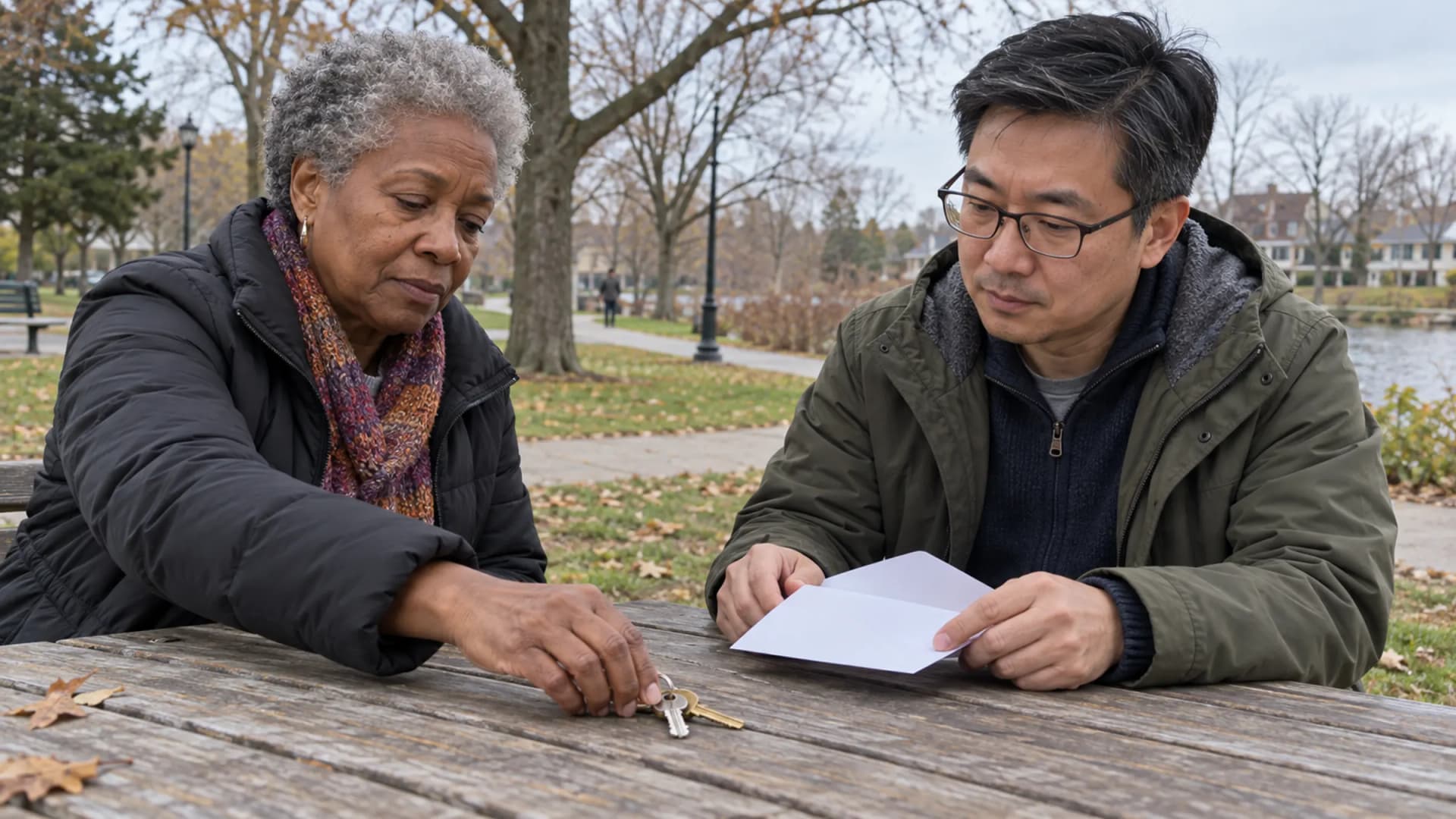
Couples therapy for breaking up can give willing partners a place to clarify what each wants, discuss an ending or ask for help with a specific issue after a breakup. The goal does not have to be saving the relationship. A therapist cannot guarantee closure, an amicable separation or a decision to stay together.
You can seek individual support if your partner does not want to attend—or if you do not want a joint session. This guide is general information and has not been reviewed by a therapist.
If there is abuse, intimidation or fear of retaliation, do not assume a shared session is safe because both people agree to attend. The National Domestic Violence Hotline advises against couples counseling with an abusive partner; information shared in a session may be used against the person experiencing abuse. Consider individual support or an advocate when it is safe to do so.
Choose the goal before the appointment
Separate three questions: What has each person decided about the relationship? Does each person want to participate? What specific help are they seeking? A couple can agree to attend while wanting different things, and agreeing to an appointment is not an agreement to stay together.
| Your situation | A question to ask a provider | What counseling cannot decide for you |
|---|---|---|
| Both people are unsure. | Do you offer decision-focused work when we do not yet know whether to separate? | Whether either person must choose repair or ending. |
| One person has decided to leave. | Can you help us discuss a specific transition while respecting that decision? | Whether the person who has decided must reconsider or stay. |
| You have already broken up and both want help. | Do you work with former partners on the issue we want to address? | That you will become friends, get closure or agree on everything. |
| One person does not want a joint session. | What individual support is available to me? | Whether the other person should participate. |
These are questions to discuss with a qualified professional, not a test of whether your relationship can be saved. If speaking openly could lead to threats or retaliation, safety support takes priority over the table.
Hypothetical example: One partner has decided to end the relationship; the other hopes to repair it. They might ask a therapist whether both are willing to discuss a narrow practical issue. The person who wants to leave does not have to agree to a session or treat the appointment as a trial period for staying. If they do not share a workable goal, either person can seek support separately.
What is discernment counseling?
Some providers offer a decision-focused approach called discernment counseling. The University of Minnesota describes its model for married couples in which one person is leaning toward leaving and the other wants to preserve the marriage. Its program describes up to five sessions, with much of the work in individual conversations, to help people gain clarity about possible directions.
That is one program's model, not a fixed format or outcome for every provider. Ask what a particular clinician means by the term, whom they work with and whether the approach fits your situation. Different goals do not make a joint process safe when abuse or retaliation is present.
What might happen in a first session?
Approaches vary. A therapist may ask each person what has brought them in, what they have already decided and what they hope to get from the work. They may discuss whether there is a shared goal for the session, how meetings will be structured and how progress or a change in goals will be reviewed.
You do not have to produce a joint version of the relationship or agree to friendship afterward. If you have different views of the ending, the guide to what a mutual breakup means separates agreement to end a relationship from agreement about later contact.
If a provider offers remote sessions, ask where each person can join from and how privacy will be handled. Our virtual couples therapy guide explains questions about location, confidentiality and access.
Can couples therapy help after a breakup?
Sometimes former partners both want help with a specific transition: for example, how to communicate about shared parenting responsibilities or how to set boundaries around contact. A provider can explain whether that work is within their training and practice. The aim should be clear to each participant; a session is not proof that either person wants to reunite.
You do not need an ex's participation to process grief or make your own decisions. Nor does a therapist automatically settle legal matters. If divorce, property or parenting orders are involved, consider appropriate local legal advice. Divorce mediation is a different process with its own rules and safety considerations.
Questions to ask before booking
A short inquiry can help you decide whether a provider and their service fit. You can ask:
- Experience and goal: Do you work with partners who may separate or have already ended their relationship? How do you handle different goals?
- Qualifications: What is your professional license, where are you authorized to practice, and what experience do you have with couples? How can I verify your license with the relevant state board?
- Session format: Will you meet with us together, separately or both? What happens if one person no longer wants to attend?
- Privacy: Who is considered the client, how are records handled, and what is your policy on information shared in individual meetings? What are the limits and legal exceptions to confidentiality?
- Safety: How can I raise a concern privately before a joint appointment, and how do you assess whether a joint session is appropriate?
- Cost and access: What are the fees, cancellation terms, session length, availability and accessibility options? If insurance is involved, how will the service be billed?
Do not assume that every provider uses the same policy for information disclosed separately. The American Association for Marriage and Family Therapy's ethics resources address legal and ethical issues that may apply; ask the clinician to explain the rules and policies relevant to their practice. For billing questions, see whether couples therapy may be covered by insurance.
The couples therapy worksheet can help you organize a topic and questions before a session. Either person can use it alone and decide what, if anything, to share.
What if your partner will not go?
You may feel disappointed, especially if you hoped for a calmer conversation. Their refusal does not prevent you from talking with an individual therapist, a trusted person or another suitable support service. You can use that time to consider your own boundaries, practical needs and feelings without making your partner's participation the measure of whether you can move forward.
In the United States, FindTreatment.gov lists mental-health and substance-use treatment facilities. It is not a directory that verifies an individual therapist's license or guarantees a provider offers breakup-focused couples work; ask the provider and check the relevant state licensing board.
If you are concerned about abuse, the National Domestic Violence Hotline offers free, confidential support 24/7 in the United States: call 1-800-799-SAFE (7233), text START to 88788, or use its website chat. Device and internet use can be monitored, and private browsing cannot erase every trace. Choose a contact method with your circumstances in mind. If you are in immediate danger, call 911 when safe to do so.
Frequently asked questions
Can couples therapy help us break up?
A qualified therapist may help willing partners clarify their goals, communicate about an ending or discuss a particular transition. The work cannot guarantee closure, an amicable breakup or agreement to stay together.
Do both partners have to want to break up?
No. Partners may begin with different views about the relationship. Ask a provider how they work with different goals, and remember that counseling does not require either person to remain in the relationship or agree to joint sessions.
Can you go to couples therapy after a breakup?
Sometimes. Former partners who both want support may ask a qualified therapist about a specific issue, such as communication or parenting-related transitions. A shared session is not required for closure or for moving forward.
What if my partner will not attend?
You can seek individual counseling or another trusted source of support for your own decisions and feelings. Your partner does not have to attend for you to get help, and you do not have to pressure them to participate.
What is discernment counseling?
The University of Minnesota describes a discernment counseling model for married couples when one person is leaning toward leaving and the other wants to preserve the marriage. Its program offers up to five sessions to develop clarity about possible directions; other providers' approaches may differ.
Is couples counseling recommended if there is abuse?
The National Domestic Violence Hotline advises against couples counseling with an abusive partner because the power imbalance can continue and information shared in a session may be used later. If it is safe, consider individual support or contact a domestic violence advocate about your options.
Written by Caleb Merridan for reflection and relationship education. Editorial policy · Report a correction