Key takeaways
- Virtual couples therapy can provide a structured conversation, but results are not guaranteed.
- Ask the clinician whether each partner can participate from their actual location.
- Check privacy, clinician experience, fees, insurance and a backup plan before booking.
- Joint counseling may be unsafe in an abusive relationship; confidential individual support can be a safer first step.
Learn how virtual couples therapy works, how to prepare for a session, and what to ask about location, privacy, fees and safety.
Virtual couples therapy is relationship counseling delivered remotely, often by video, with a qualified professional. Depending on the provider and the rules where each person is located, partners may join from the same room or from separate places. A session can offer a structured way to discuss concerns, but it does not guarantee that both people will agree, change or remain together.
Before booking, check the clinician's experience with couples, whether they can see each participant at their location, the cost and coverage, and whether everyone has a private place to speak. This site does not offer therapy or appointments; use the questions below to evaluate options with a qualified provider.
How does virtual couples therapy work?
You usually start by contacting a therapist or service to discuss availability, fees, how appointments work and what you want help with. The clinician can explain their qualifications, their process for meeting partners together or individually, consent and privacy, and how they handle emergencies. Practices vary; ask rather than assume every provider uses the same format.
A first appointment may include each person's perspective on the concern and what they hope to change. You can bring one recent example instead of trying to summarize every disagreement. If you want help preparing questions, our relationship counseling questions guide offers conversation prompts; it is not therapy.
During later sessions, a therapist may help you examine a recurring interaction, make space for both accounts, or discuss what a workable next step would look like. A therapist's method depends on their training and your situation. You can ask what their approach involves and how you will review whether it is helping.
Can online couples therapy help?
Research offers reasons to consider it, with limits. A 2021 systematic review of videoconferencing psychotherapy for couples and families included 37 papers and described the approach as feasible and acceptable, with findings indicating it can be effective. The review did not perform a meta-analysis, and couples and families were both included; its results do not predict what will happen for you.
A 2024 study of 1,157 married clients compared changes reported in teletherapy and in-person care. Its authors reported broadly similar improvements on the outcomes studied, while finding differences in how the therapeutic alliance developed. Those results do not mean every therapist, couple or remote format will work equally well. The study's abstract describes an analysis of treatment data rather than a guaranteed outcome for an individual relationship.
Fit still matters. Ask the clinician about their couples-specific experience and whether the format is appropriate for what you want to address. If the process feels unhelpful or unsafe, you can raise that concern, ask about a different approach or seek other support.
Same room or separate locations?
Both arrangements may be possible, but they create different practical questions. Ask the therapist what their platform supports and how they work when partners are together or apart.
| Arrangement | Questions to consider | What to confirm |
|---|---|---|
| Together in one room | Can both people speak privately and hear the therapist? Is there space for each person to participate without pressure? | Camera and sound setup, interruptions, privacy and what to do if a discussion becomes difficult. |
| Joining separately | Does each person have a private place and a reliable connection? Will work, travel or child care interrupt the appointment? | Whether the provider allows separate connections and can legally see each person in their actual location. |
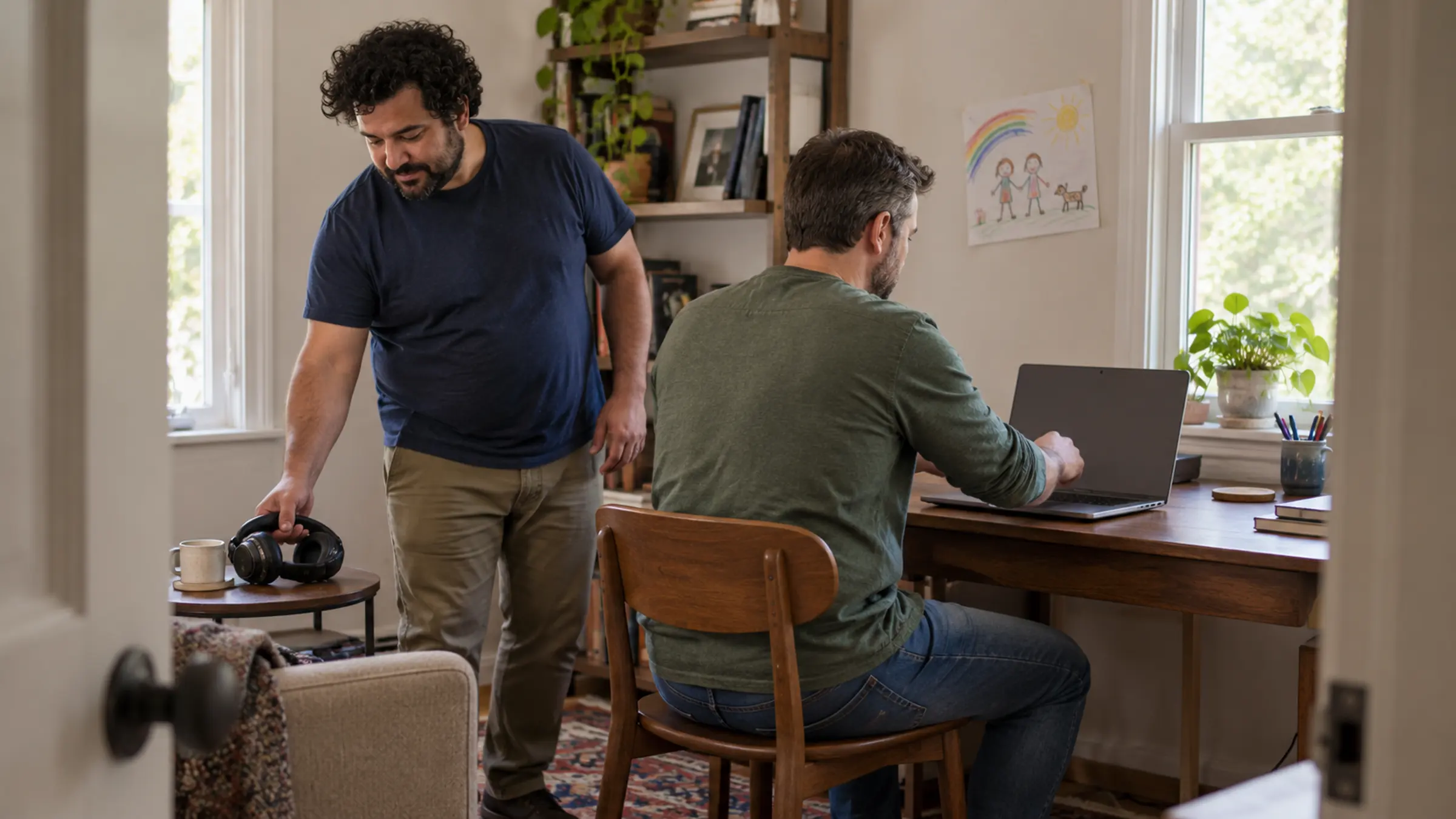
For a hypothetical example, two partners may be able to sit together after a child is asleep, but one may still worry about being overheard through a thin wall. A separate private location could be worth discussing with the clinician. Another couple may find it easier to participate from the same room. A location is not automatically safe simply because it is convenient.
HHS explains that behavioral-health licensure requirements apply to telehealth, including rules associated with where the patient is located. Tell the provider where each participant will actually be during the session, including if someone is traveling. The provider can check the rules and explain whether they can offer care in those locations.
How to choose a virtual couples therapist
Start with the problem you want help discussing and what each person can realistically participate in. Ask a potential provider:
- What is your professional license, where are you authorized to practice, and how much of your work involves couples?
- What approach do you use for concerns like ours, and how will we decide whether it is a fit?
- Can we join from different locations if needed? What happens if one of us travels?
- How are privacy, consent, individual conversations and records handled?
- What are the fees, cancellation terms, insurance arrangements and expected payment if a claim is denied?
- What is the plan if the connection fails or someone needs urgent help?
A directory entry, a familiar therapy-method name or a testimonial alone cannot tell you whether a particular clinician is right for both people. You can ask a provider how they work and decide whether their explanation and availability fit your needs. If you are starting from emotional withdrawal, our guide to emotional distance in a relationship can help you describe an observed pattern without deciding what your partner feels.
How much does virtual couples therapy cost?
Fees, session lengths, insurance benefits and availability vary by provider, plan and location. Ask for the provider's current charge, whether they are in your exact network, and how they expect to bill the specific service. Then verify with the insurer what conditions and out-of-pocket costs apply. An insurer's general statement that mental health care is covered is not a guarantee that a particular couples session will be paid.
Our guide to whether insurance covers couples therapy offers a more detailed list of questions about service codes, deductibles and denied claims. Ask the provider about self-pay estimates and any lower-cost options that are actually available; do not assume an online appointment is always cheaper than an in-person one.
Prepare for a private, workable first session
HHS's telebehavioral-health privacy guidance recommends discussing privacy, finding a private location and taking practical precautions such as using headphones when appropriate. Before the session:
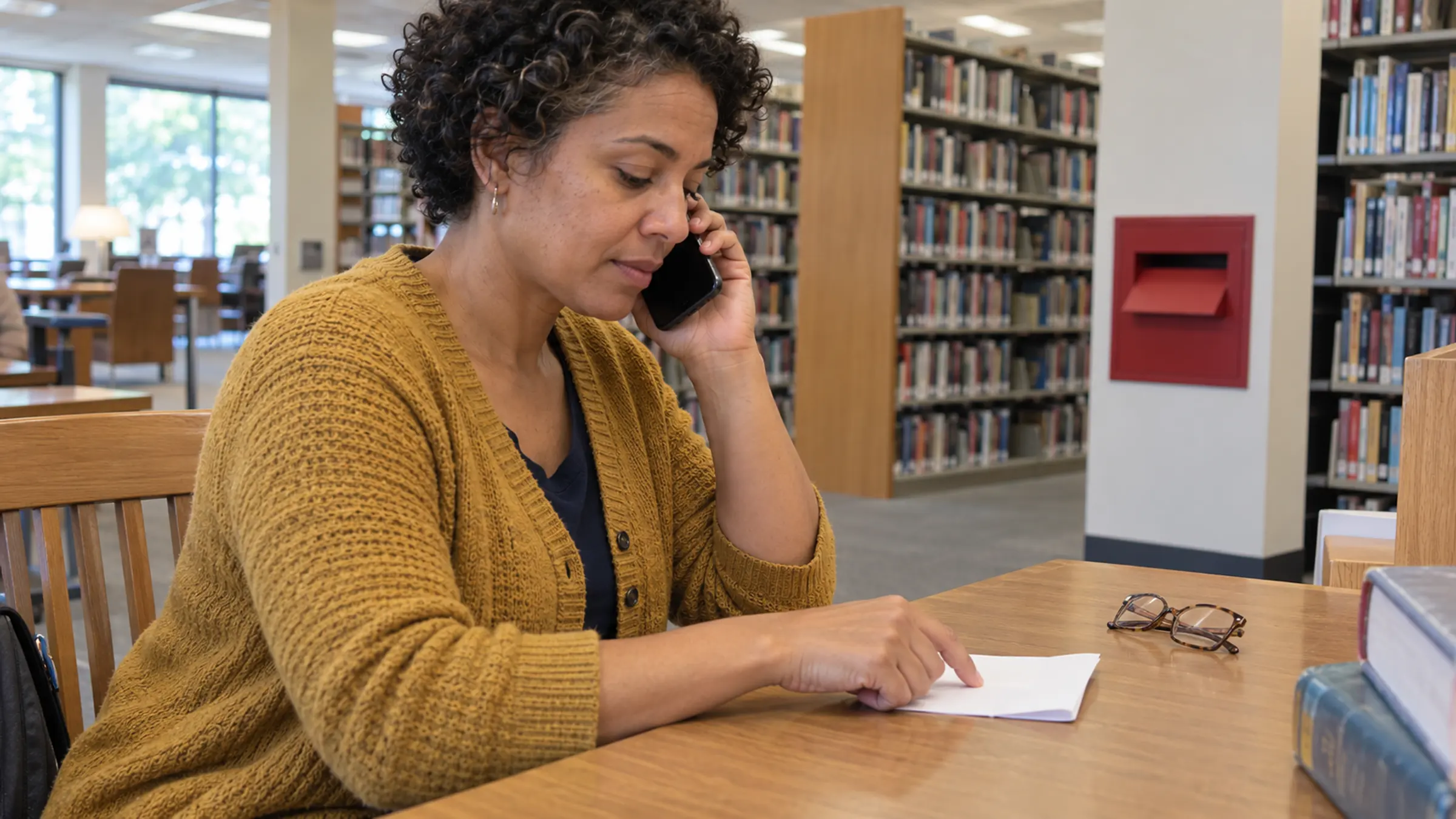
- Check that each participant can speak without being overheard. Discuss what to do if someone enters or privacy changes.
- Ask the clinician which device and connection arrangement they recommend. Test audio and video without assuming a particular platform is suitable for everyone.
- Plan for child care, work interruptions, hearing or language needs, and an alternative way to contact the provider if the call drops.
- Agree with the therapist on each person's location, emergency contacts and what to do if an urgent safety issue arises.
- Leave time afterward if you both want it; either person can ask for space rather than being required to debrief immediately.
You do not need a perfect setup or a complete account of your relationship. A short preparation note such as “We want help discussing how household responsibilities are shared” can give the clinician a place to begin without assigning motives.
When virtual couples therapy may not be the right next step
If one partner is afraid that speaking honestly will lead to threats, monitoring or retaliation, a shared video call does not automatically make the conversation safe. The National Domestic Violence Hotline advises against couples counseling with an abusive partner, noting that disclosures can be used against the person experiencing abuse. Consider confidential individual support or a domestic violence advocate when safe, and use a device or contact method that the other person cannot monitor if necessary.
If your partner simply does not want to attend, you can ask about their concerns without pressuring them. One person may still choose to seek individual support, but that cannot make the other person participate or guarantee a relationship outcome. Our healthy boundaries guide can help you think about what you need without treating a boundary as a way to control someone else.
FAQ
Is virtual couples therapy the same as online marriage counseling?
The terms are often used for remote relationship counseling, but the provider's services, qualifications, format and eligibility can differ. Ask the clinician what they offer and whether it fits your situation.
Can we join from different locations?
Sometimes. Ask the provider whether their platform and practice allow separate connections and whether they are authorized to see each person where that person will be located.
Does insurance cover virtual couples therapy?
It depends on the plan, provider and service. Ask the therapist how the session would be billed and ask your insurer about your specific benefits, network, authorization and expected cost.
What if we do not have a private room at home?
Tell the provider before booking. Discuss available private locations, headphones, scheduling, child care and what to do if someone can overhear. Do not assume a convenient place is automatically private or safe.
What if one partner does not want to attend?
You can ask what concerns them without forcing participation. The other partner may seek individual support to consider their own choices, but that does not require or guarantee the other person's involvement.
Written by Caleb Merridan for reflection and relationship education. Editorial policy · Report a correction