Key takeaways
- Start with referrals or directories, then confirm a clinician's qualifications and couples-specific experience.
- Ask about availability, fees, insurance, privacy and how each partner can take part.
- Compare the answers and revisit the fit after you begin; neither a listing nor a first call guarantees a good match.
- If there is abuse or fear of retaliation, consider confidential safety-aware support before a joint appointment.
Find potential couples therapists, check qualifications and practical details, and decide whether the fit works for both partners.
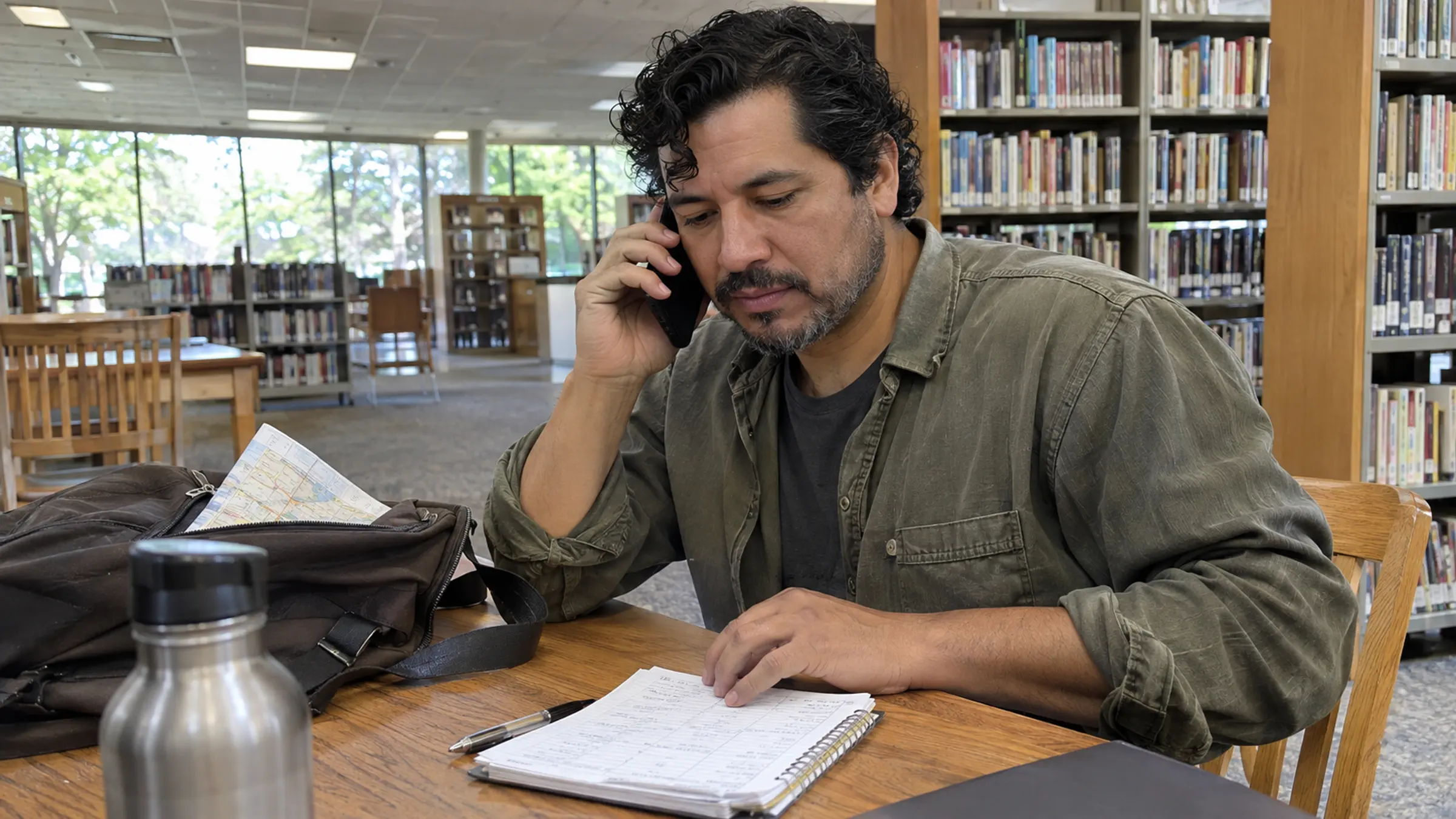
To find a couples therapist, gather a few possible clinicians through referrals or directories, check their professional qualifications and experience with couples, and ask about availability, fees, privacy and how they work. Compare the answers with both partners' needs, then revisit the fit after you begin. A directory listing is a starting point, not a guarantee that a clinician is available or right for you.
This guide is general U.S. information, not therapy or a diagnosis. It has not been reviewed by a mental health professional. Licensing, insurance and confidentiality rules vary by location and circumstances.
First, consider whether a joint appointment is safe
Disagreement is not the same thing as abuse. But if a partner uses threats, intimidation or control, or you fear retaliation for speaking honestly, do not assume that a shared session is safe. The National Domestic Violence Hotline advises against couples counseling with an abusive partner: what is said in a session can later be used against the person experiencing abuse.
Consider confidential support from a domestic violence advocate or a clinician experienced in abuse, using a device and a way of contacting them that are safe for you. In the U.S., the Hotline can be reached at 800-799-SAFE (7233), by texting START to 88788, or through its website. If you are in immediate danger, contact local emergency services when safe. You do not need a partner's permission to seek individual support.
1. Decide what you need from the search
You do not have to agree on the cause of every problem before calling. Each person can name one concern they want help discussing and one practical requirement. For example, one partner might want help with repeated arguments about household work; the other might want sessions that fit a changing work schedule.
Write down your location, possible appointment times, whether you need remote or in-person care, a fee range you can manage, and any language or accessibility needs. If you are unsure about the service label, our comparison of marriage counseling and couples therapy explains why the provider's actual experience matters more than the name alone.
2. Make a short list of potential clinicians
Ask a doctor or another trusted health professional for a referral, check a professional association's directory, search your insurance plan's provider list, or contact local practices directly. The American Psychological Association lists several routes for finding a psychologist, including health-professional referrals and professional associations. Other qualified mental health professionals also work with couples.
Filter for people who say they work with couples, then verify the details. A directory may be out of date: a listing does not establish current openings, the cost of your session or whether the clinician has experience with the issue you want to discuss. Ask whether they work with people in your circumstances, including unmarried partners if relevant. You can also ask whether they have a waitlist or can suggest another clinician.
For remote care, tell the provider where each person will physically be during sessions. HHS explains that cross-state telehealth requirements vary; ask the clinician whether they can provide the proposed service at both locations. Our online versus in-person guide can help you compare privacy and practical access.
3. Check qualifications and couples-specific experience
Ask for the clinician's full professional name, license type, license number and the state board that regulates it. Look up the license using the appropriate board's public verification process. Ask about any information you do not understand, including whether a clinician is working under supervision. The relevant board and rules depend on the profession and location.
Then ask a separate question: “What training and experience do you have working with couples who bring concerns like ours?” A current license and couples-specific experience answer different questions. The American Association for Marriage and Family Therapy describes marriage and family therapists as working with individuals, couples and families. Other qualified professionals may work with couples too; no single title or method guarantees the outcome.
If you are considering a coach, religious counselor or other nonclinical service, ask what service they provide, their qualifications, and what confidentiality and oversight apply. Do not assume that every relationship service is licensed psychotherapy.
4. Ask about the work, privacy and cost
An initial call can be short. You can describe the concern without sharing details you are not ready to disclose. Consider asking:
- Do you currently see couples, and what is your experience with concerns like ours?
- What happens at the first appointment, and how do you include each person's goals?
- Who is considered the client? How do confidentiality, legal exceptions and any individual meetings work?
- What are the session fee, length, cancellation policy and next available times?
- How do you review whether the work is helping, and what happens if we want a referral?
If you plan to use insurance, ask the clinician how the proposed session would be billed. Then ask your insurer about that clinician, the specific service, any telehealth rules and your expected share of the cost. An in-network listing or benefits quote does not guarantee payment of a claim. See whether couples therapy is covered by insurance for more questions.
5. Compare the answers, then choose a next step
You can use the same notes for each call. The example below is hypothetical; it shows a decision process, not a ranking of actual therapists.
| Question | Clinician A | Clinician B |
|---|---|---|
| Couples experience | Describes relevant training and experience | Describes experience; training details still to confirm |
| Timing | Available on weekdays only | Offers an evening opening |
| Cost and coverage | Fee confirmed; insurer response pending | Self-pay fee confirmed |
| Questions for both partners | Explains how each person can share goals | Offers a call to discuss the process |
If the weekday opening is impossible, the evening appointment may be more practical, but both partners still need enough information to decide. If a cost or qualification is unclear, follow up before paying. If neither option works, widen the search, ask about a waitlist or seek referrals from another practice. A clear answer is useful; a reassuring profile alone is not proof of fit.
6. Revisit the fit after you start
After an appointment or two, each person can ask privately: Did I have room to speak? Did I understand the clinician's role and the next step? Were my questions about privacy and fees answered? People may feel differently, and an uncomfortable topic is not automatically evidence of a poor therapist. If it feels safe, raise a concern with the clinician and ask how you might work through it or whether another referral makes sense.
You can change providers. If one partner does not want to attend, they do not have to be pressured into a joint appointment. The other person may still seek individual support for relationship concerns; ask how that differs from a private meeting during ongoing couples work.
Frequently asked questions
Where can I find a couples therapist near me?
Ask a trusted health professional for a referral, search a professional or insurer directory, or contact local practices. Confirm that the clinician currently sees couples, has availability and meets your location and cost requirements.
What qualifications should a couples therapist have?
Ask about the person's professional license, how to verify it with the relevant state board, and their training and experience working with couples. More than one licensed profession may provide couples therapy; a title alone does not tell you whether a particular clinician is a good fit.
Does insurance pay for couples therapy?
Sometimes. Coverage depends on your plan, clinician, service and claim. Ask the clinician how the appointment would be billed and confirm the proposed service and expected costs with your insurer before booking.
What if one partner does not want to attend?
You cannot require a partner to participate. You can ask what concerns them and consider individual support for your own choices. Individual therapy is a different arrangement from a private meeting within an existing couples treatment.
Can we change therapists if it does not feel right?
Yes. If it feels safe, tell the clinician what is not working and ask about a different approach or a referral. Both partners can reflect on whether they feel heard and understand the plan; you can seek another provider.
Written by Caleb Merridan for reflection and relationship education. Editorial policy · Report a correction