
Key takeaways
- A wedding loan is usually a personal loan used for wedding expenses; terms depend on the lender and offer.
- Compare net proceeds, interest, fees, monthly payments and total repayment—not just the amount you can borrow.
- A lender's approval does not establish that payments fit your household budget or emergency needs.
- Consider reducing costs, saving longer or discussing a vendor payment plan before taking on debt.
Understand how a wedding loan may work, what the money really costs and which alternatives to consider before borrowing.
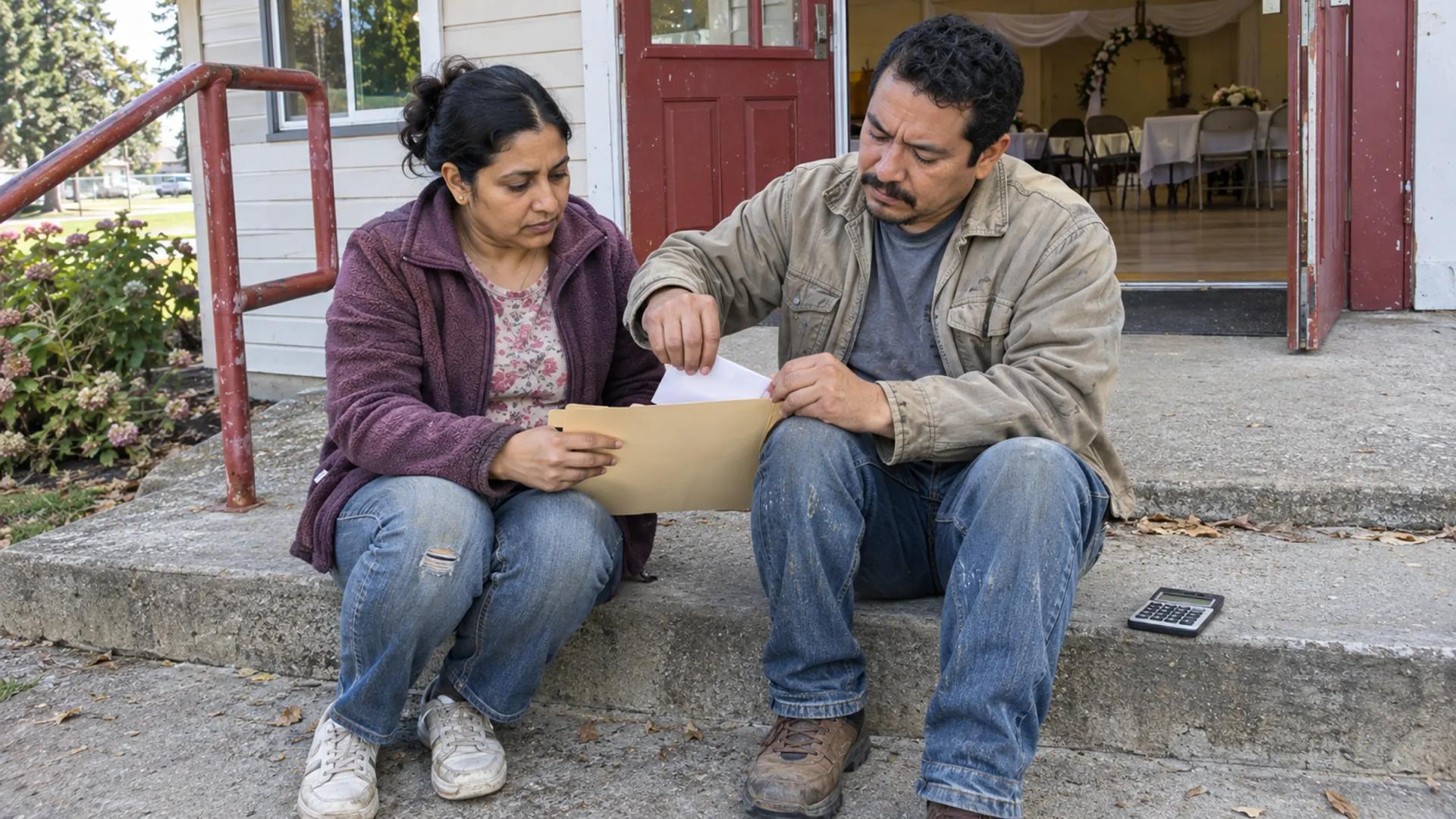
Wedding loans are usually personal loans used to pay wedding expenses. If you are considering one, compare the actual cash you would receive with the payments, fees and total amount you would owe after the celebration. First check whether a smaller event, more time to save or a payment arrangement could cover the gap without adding debt.
This guide explains how to evaluate a loan; it does not rank lenders or quote current rates. Approval, pricing and permitted uses depend on the lender and your circumstances. This is general US consumer information, not individual financial advice, and it has not been reviewed by a financial professional.
How does a wedding loan work?
A lender may offer a personal installment loan that you can use for eligible wedding expenses. Depending on the agreement, you receive money and repay it over a stated period, generally through scheduled payments that include interest. Some personal loans are unsecured; do not assume every product has the same security, fees or repayment terms.
Ask the lender what the loan can be used for, when funds would arrive and whether charges are deducted before you receive them. A loan amount that looks equal to your outstanding vendor bill may leave you short if a fee is withheld. Our wedding venue payment schedule guide can help you identify when each vendor payment is due, independently of how you fund it.
You may see a lender's preliminary rate or eligibility check. Ask whether that particular check uses a soft or hard credit inquiry, and what happens if you submit a formal application. Practices differ; a preliminary result is not final approval and does not guarantee the terms you will receive.
Compare the amount you receive with the amount you repay
Use the same loan amount, repayment period and fee assumptions when comparing actual offers. Look beyond the advertised monthly payment:
| What to compare | Why it matters | What to ask the lender |
|---|---|---|
| Amount financed | This is the starting amount used in the loan agreement. | How much am I borrowing, and what uses are permitted? |
| Net proceeds | An upfront fee may reduce the cash deposited to you. | How much money will I actually receive, and when? |
| Interest rate and APR | The interest rate and annual percentage rate are not necessarily the same when finance charges apply. | What rate and APR are disclosed for my actual offer? |
| Payments and term | A longer term can change both the monthly payment and the amount paid over time. | How many payments are due, on what dates and for how much? |
| Fees and total repayment | Some charges can increase costs or apply only in particular circumstances. | What is the total scheduled repayment, and are there origination, late or early-payment charges? |
The Consumer Financial Protection Bureau lists fees that may apply to personal installment loans, including origination and documentation fees, optional insurance and late fees. They are not necessarily charged on every loan. Ask for the written disclosures and check which fees apply to your offer.
APR is useful for comparing offers, but still read the full schedule and terms. In its explanation of interest rate and APR for auto loans, the CFPB distinguishes the interest rate from an APR that also reflects certain finance charges. Do not assume every possible late or other conditional fee is included in a quoted APR.
A hypothetical wedding loan example
Suppose a couple considers a $6,000 loan with a fixed 12% annual interest rate, 24 monthly payments and a $300 origination fee deducted from the proceeds. For this illustration, interest is calculated monthly, there are no other fees and payments are made on schedule. The rate and fee are invented to demonstrate arithmetic; they are not an APR, current offer or prediction of approval.
| Item in this example | Approximate amount |
|---|---|
| Amount borrowed | $6,000 |
| Less origination fee withheld | −$300 |
| Cash received | $5,700 |
| Monthly payment over 24 months | About $282.44 |
| Total of scheduled payments | About $6,778.58 |
| Total payments above cash received | About $1,078.58 |
The last line includes the withheld $300 fee and about $778.58 of interest under these assumptions. The total uses unrounded payment calculations; an actual lender's rounding or final payment may differ. If the remaining vendor bill is $6,000, this loan leaves a $300 cash gap before any other expense. Borrowing the face amount does not mean receiving that amount.
Decide whether the payment fits both of your lives
Start with the actual unpaid wedding costs and confirmed money available when each bill is due. Do not count a gift that has not been confirmed or money needed for rent, existing minimum debt payments or another near-term obligation. The wedding budget calculator can help organize event costs; it does not calculate loan APR or determine whether you qualify.
Then ask whether the proposed payment remains manageable after ordinary bills and irregular costs, such as medical expenses or annual insurance. Decide how much emergency savings you want to protect. The CFPB's emergency savings guide explains that an appropriate reserve depends on your situation; a wedding budget and an emergency fund serve different purposes.
Discuss what would happen if income changed or an expense arose. Who expects to make each payment? What would you do if one person could not contribute? A loan can be approved even when the payment leaves little room for a particular household's priorities. If you cannot agree on a sustainable plan, change the event or timeline before treating a loan as the answer. Our guide to saving for a wedding together shows how to map contributions to upcoming deposits.
What should each person know before signing?
Read who is named on the application and agreement, who must repay, how missed payments are handled and whether either person is offering a guarantee. Being married or engaged does not replace the need to read the actual contract; if your obligations are unclear, ask the lender or a qualified professional before signing.
A cosigner is different from simply discussing a shared household budget. The Federal Trade Commission explains that a cosigner may have to pay the full debt if the borrower does not, and that missed payments can affect the cosigner's credit. Do not ask a relative or partner to sign without giving them the full terms and time to decide independently.
Also ask whether there is a penalty for paying early, what late-payment charges apply and what the lender will report to credit bureaus. Do not assume a fee is present or absent until the lender explains it and the agreement confirms it. If an offer depends on using an asset as security, understand what could happen to that asset if payments are missed.
Alternatives to a wedding loan
| Option | Potential benefit | Question to resolve |
|---|---|---|
| Reduce or change event costs | A smaller amount to fund can avoid interest. | Which guest, venue or service costs actually change in a revised quote? |
| Save for longer or change the date | More saving periods may lower the amount still needed. | Can the vendors and guests accommodate the timing, and are deposits at risk? |
| Ask about a vendor payment schedule | Spreading agreed payments may help with cash-flow timing. | Is there a fee, interest, cancellation condition or final balance before the event? |
| Accept a voluntary contribution | A confirmed gift may reduce what the couple needs to fund. | Is it a gift or a loan, when will it arrive, and are there conditions? |
| Borrow from someone you know | The parties may agree on their own terms. | What amount, repayment dates and consequences are acceptable to both people? |
None is automatically free or right for every couple. A vendor plan may have charges, a gift may come with conditions, and family lending can put strain on a relationship. Get the relevant terms in writing and compare the complete cost. Our guide to saving money on a wedding explains how a forfeited deposit or added rental can change an apparent saving. Who pays for the wedding? covers how to discuss contributions without assuming anyone can or will pay.
If the affordable version is smaller than the first plan, that does not make it less meaningful. The useful decision is the one both partners understand and can live with after the wedding as well as on the day.
Frequently asked questions
What is a wedding loan?
A wedding loan is usually a personal loan used to pay for wedding-related expenses. The amount, rate, fees, repayment terms and permitted uses depend on the lender and the offer.
Can you get a personal loan for a wedding?
Some lenders offer personal loans that can be used for wedding expenses, subject to their eligibility rules and permitted uses. An application or preliminary offer does not guarantee approval or make the payment affordable for your household.
How much does a wedding loan cost?
The cost depends on the amount financed, interest rate, repayment schedule and applicable fees. Ask for the net amount you will receive, the payment schedule, total repayment, APR and any additional charges before comparing offers.
Is it a good idea to borrow money for a wedding?
It depends on your circumstances and the actual loan terms. First compare a smaller event, more time to save or a vendor payment plan, and check whether you can make the payments while protecting essential expenses and an emergency reserve.
Will checking a wedding loan offer affect my credit?
It depends on the lender and the kind of inquiry. Ask whether an initial rate check uses a soft or hard inquiry and what happens if you proceed to a formal application. A preliminary offer is not a guarantee of approval.
Should we use a cosigner for a wedding loan?
A cosigner can take on serious responsibility: if the borrower does not repay, the cosigner may have to pay the debt and fees, and their credit may be affected. Read the actual agreement and consider independent advice before asking someone to sign.
Written by Caleb Merridan for reflection and relationship education. Editorial policy · Report a correction