Key takeaways
- A venue may ask for an initial payment, later installments and a final balance; the actual dates and amounts are set by your agreement.
- Confirm whether the first payment reduces the quoted price and whether a separate security deposit is included.
- Put venue and other vendor deadlines on one calendar and compare them with money available before each due date.
- Read cancellation, postponement, additional-charge and refund terms before paying; ask for agreed changes in writing.
Turn a venue's deposit and installment terms into a clear calendar, check your remaining balance and plan for other bills.
A wedding venue payment schedule sets out how much you owe and when. Your agreement may require an initial deposit or retainer to book, one or more installments and a final balance before the event. Amounts, deadlines and refund terms vary, so ask for the complete schedule and an itemized price before you sign or pay.
The most useful check is not just whether the first payment is affordable. Confirm what it is credited toward, when the largest remaining bills are due and whether you will have the money available on those dates. The example below is fictional; it is a way to check your own numbers, not a standard venue offer.
An example wedding venue payment plan
Imagine a venue quotes $12,000 for an agreed package. For this example only, the total includes all charges in the quote, the first payment is credited toward it, and no later adjustments apply.
| When due | Payment | Amount due | Venue balance afterward |
|---|---|---|---|
| At signing | 25% booking payment | $3,000 | $9,000 |
| Six months before the wedding | 35% installment | $4,200 | $4,800 |
| Thirty days before the wedding | Final 40% | $4,800 | $0 |
The three payments add up to $12,000. The $3,000 is part of that total, not an extra $3,000 on top. Your venue may use a flat initial amount, different percentages, more frequent payments or a different final deadline. Ask whether percentages apply to the original price, the remaining balance or a revised total.
As one concrete example of how a venue can describe its own terms, Willowbrook Weddings publishes its payment timeline. Those are that venue's stated conditions, not a promise about another venue or a nationwide rule. Use the signed agreement for your own date.
What does the first payment cover?
Before transferring money, ask the venue to identify the initial amount in the contract and invoice. It might be called a deposit, retainer, booking fee or another name. The label alone does not tell you whether it reduces the price, can be returned or is separate from other charges.
Get answers to these questions in writing:
- Does this payment reserve the date and space? Ask when the reservation becomes binding and what happens if a signed agreement and payment arrive on different days.
- Is it credited toward the quoted total? Request an invoice showing the payment and remaining balance. Do not subtract it twice from a later invoice.
- Is a separate security or damage deposit required? Ask its amount, whether it is included in the total, what deductions may apply and when any remainder is returned.
- What happens if plans change? Check the contract's cancellation and postponement provisions, including whether the venue can keep a payment or charge an additional amount.
A payment described as nonrefundable is a significant commitment, not a complete answer to every possible dispute. The agreement, facts and applicable law matter. If the language is unclear or a large amount is at stake, consider advice from a qualified local professional before signing.
Check what the quoted balance includes
Compare the schedule with the itemized quote, not just the rental price in an advertisement. Depending on the arrangement, the total might include room rental, food, drinks, staffing or equipment; other items may be separate. Ask whether taxes, service charges, gratuities, overtime, setup, cleanup and payment-processing fees are included or still to be calculated.
If the venue has a food-and-beverage minimum, ask whether it is included in the quoted total and how a lower or higher guest count changes the bill. Confirm when the final count is due and whether the final scheduled payment is based on an estimate or a settled invoice. A later adjustment for extra guests, time or damage can be possible under the agreement; ask how and when it would be billed.
Avoid counting the same meal or rental twice if it is already in the package. Equally, do not assume a separately booked caterer is covered by the venue's final payment. Our average wedding cost guide explains why a headline number cannot substitute for the inclusions in your own quote.
Put every due date on one cash-flow calendar
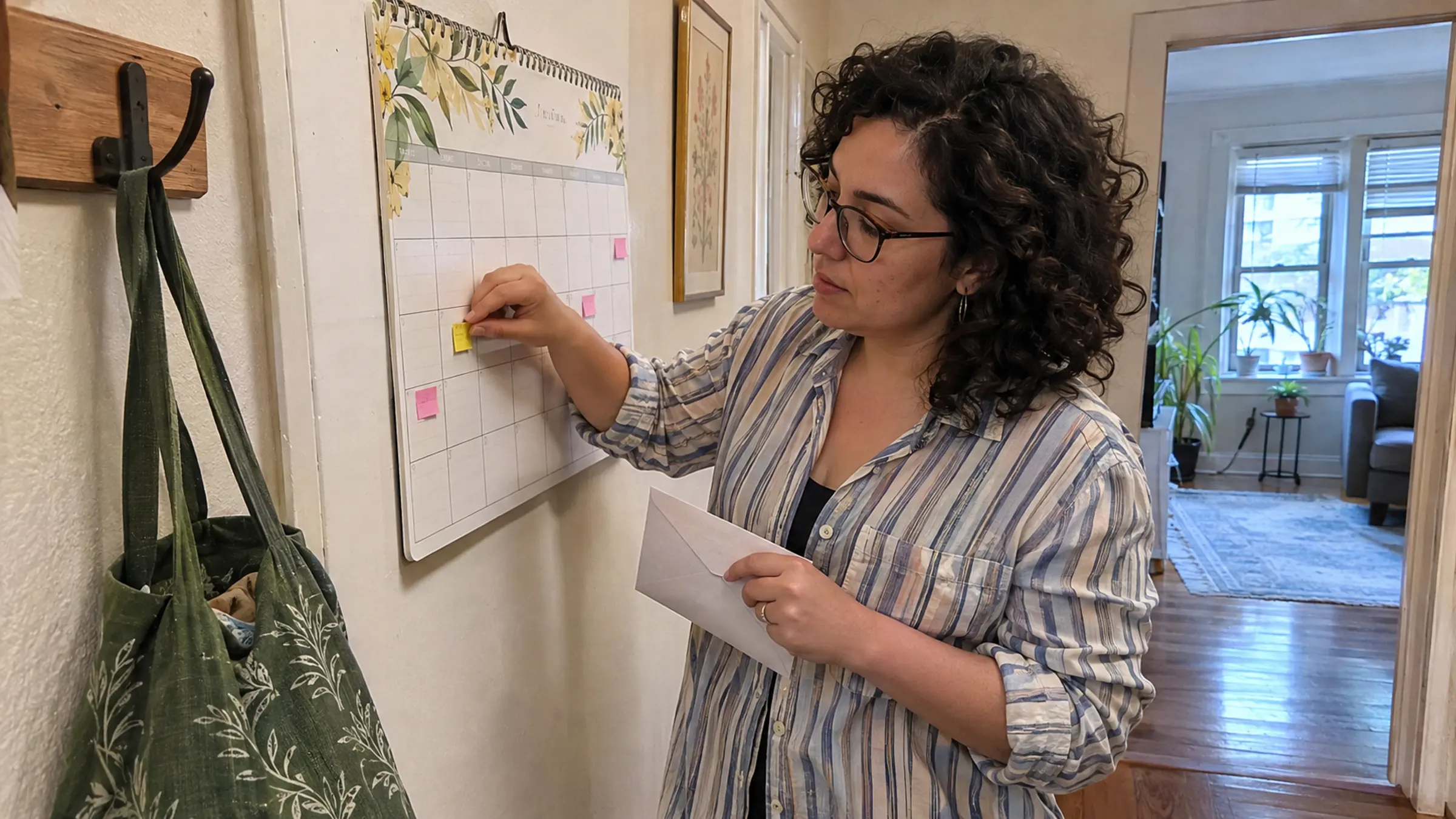
Write the venue payments alongside the deadlines for the photographer, caterer, attire and other commitments. For each line, record the amount, due date, who will pay, what has already been credited and where the funds will come from. A relative's contribution belongs on the date it is actually confirmed to arrive, not the date you hope to receive it. Discuss who pays for the wedding before assigning a bill to anyone else.
Hypothetical example: In the same month as the $4,200 venue installment above, suppose a separate vendor requires $2,000. The combined amount due is $6,200. If you have $4,500 available before both deadlines, the gap is $1,700. A promised contribution arriving the following month does not cover that earlier gap unless you have another way to bridge it. Check both contracts and your resources before accepting the schedule.
That is why a low booking payment can still lead to a difficult month later. You could ask the venue for a revised schedule, change a booking choice or reconsider the total; an alternative is only agreed when the venue accepts it. Use the wedding budget calculator to track costs, then keep actual payment deadlines separately. The calculator does not change the contract.
Can you change the payment schedule?
You can ask before signing whether the venue offers smaller installments or another due date. Compare the full cost, not only the size of each payment: ask about added fees, interest if any, accepted methods and whether the final payment date changes. A venue may say no, and a schedule that works on one date may not be offered for another.
For example, you might ask: “Could we split the middle payment into two dates without changing the final price? Please show any added charges and revised due dates.” If the venue agrees, request an updated contract or written amendment identifying what changes and what stays the same. Do not rely on a verbal explanation that conflicts with the document you sign.
Protect your records and review the terms
Keep the signed contract, amendments, invoices, receipts and proof of each payment together. Check the recipient and payment instructions using contact information you independently trust, particularly if an email asks you to change bank details. Ask what happens if a payment is late, if either party cancels, if the venue cannot provide the booked space or if you need to postpone.
Payment methods can have different fees and dispute processes. For a credit-card billing problem, the Consumer Financial Protection Bureau explains how to contact the card issuer and submit a billing-error notice. That guidance does not promise a refund for every canceled event; eligibility and deadlines depend on the problem and payment method. Review your agreement and seek appropriate advice promptly if a dispute arises.
If you are considering event coverage, read what a particular policy actually protects. Wedding insurance is not an automatic refund for every deposit or reason for cancellation. Before changing venues to save money, compare the full revised price and any amounts you would lose, as described in our wedding savings guide.
Frequently asked questions
How does a wedding venue payment schedule work?
A venue may require an initial payment when you book, one or more later payments and a final balance. The amounts, dates, included services and treatment of each payment depend on the signed agreement.
Does the venue deposit count toward the total?
It may, but do not assume it. Ask the venue to show the initial payment as a credit against the price if that is the agreement, and distinguish any separate refundable security deposit or fee.
When is the final wedding venue payment due?
There is no universal date. Check whether your contract gives a calendar date, a number of days before the wedding or a deadline linked to the final guest count, and ask about later adjustments.
Can you ask a venue for a different payment plan?
You can ask whether smaller installments or different dates are available, including any added fee. Do not assume the schedule has changed until both sides agree to the revised terms in writing.
Is a wedding venue deposit refundable?
It depends on the agreement, the reason for cancellation and applicable law. Ask what happens if either party cancels or the event is postponed; the word deposit alone does not settle the outcome.
Written by Caleb Merridan for reflection and relationship education. Editorial policy · Report a correction