
Key takeaways
- An insurer's name on a provider website does not guarantee coverage for your couples session.
- Ask both the provider and your plan about the actual service, clinician, telehealth and costs.
- Tell the clinician where each partner will be during the appointment.
- A benefits quote is useful but does not guarantee payment of a claim.
Compare two places to start your search and check the provider, service, location and costs with your own health plan.
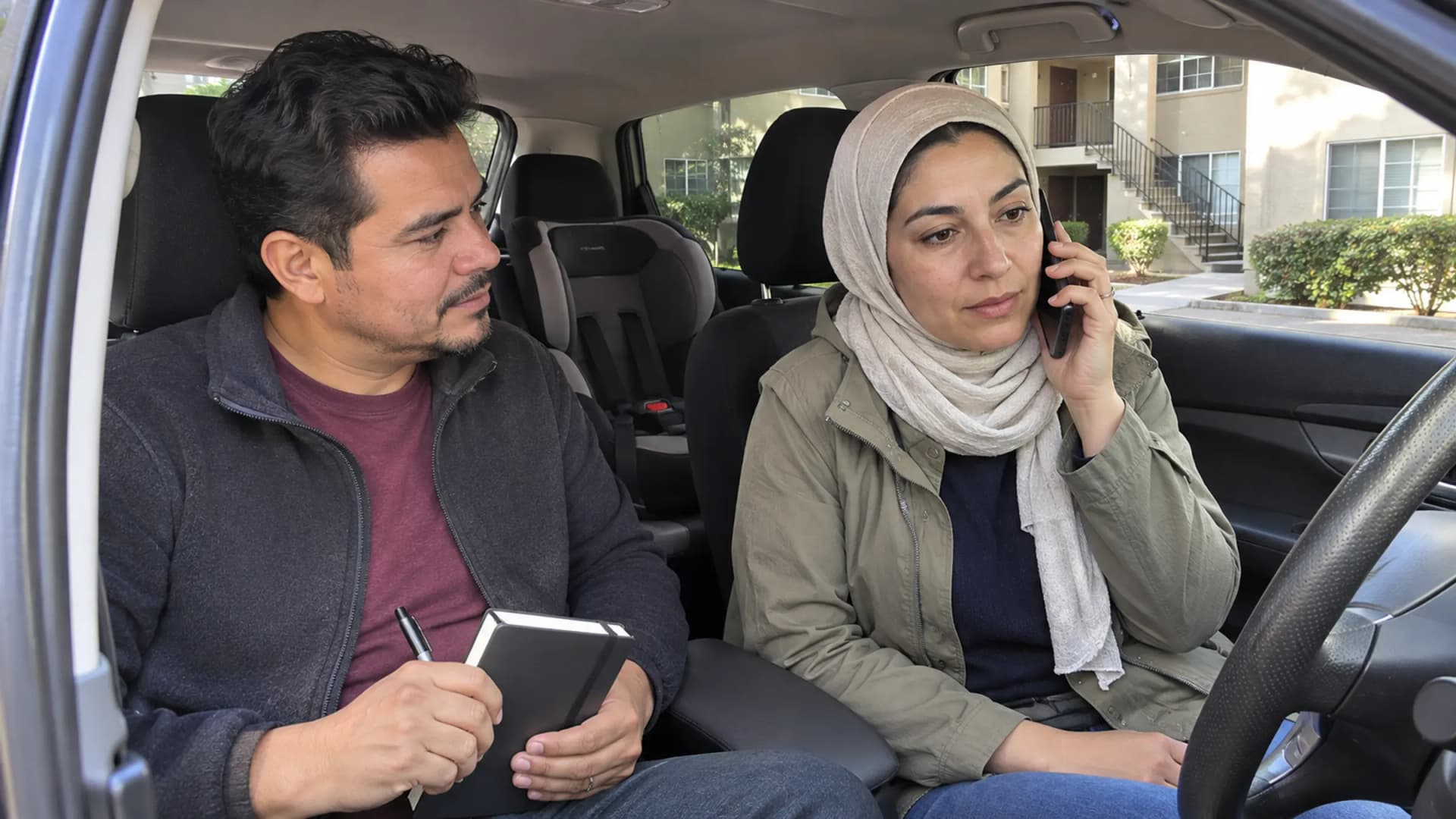
Some online couples therapy providers work with insurance, but that does not mean every plan will pay for every couples session. Start by finding a clinician who offers the service you want, then confirm the clinician's network status, the proposed service, telehealth rules and expected cost with your own plan.
Talkspace and Rula are two places to start a search. Their public pages describe insurance participation, but neither page can determine your benefits or guarantee payment for your appointment. We reviewed public information on November 5, 2026; we did not book, test a session or verify a member's coverage.
Places to start your search
| Provider | What its public couples-therapy page says | What you still need to confirm |
|---|---|---|
| Talkspace | Offers online couples therapy and describes working with insurers. | Your exact plan and clinician, whether the proposed couples service is covered, both participants' locations and your expected cost. |
| Rula | Describes online couples therapy and a network of clinicians who accept insurance. | Whether an available clinician accepts your particular network and can provide the proposed service under your benefits. |
These are starting points, not a ranking or a complete list. Provider networks, availability, prices and plan terms change. A general statement that a company “takes insurance” is different from a decision about your own session. Ask the provider for current details and contact your insurer before making a commitment.
You can also search your insurer's clinician directory or ask member services for therapists experienced with couples who offer telehealth. Directory entries can be out of date, so confirm directly with the clinician's office. If you are comparing format and privacy as well as coverage, our guide to virtual couples therapy explains what else to ask.
Why coverage depends on the service
HealthCare.gov says Marketplace plans cover mental health and substance use disorder services, including behavioral health treatment. Specific benefits vary by plan and state. That broad benefit does not establish that every appointment focused on a relationship will be covered, and the Marketplace rules described there should not be assumed to describe every other kind of plan.
Ask the clinician what service they propose, how they expect to bill it, and whether that could change after an assessment. For example, HMSA's family psychotherapy guidance describes conditions for one insurer's plans. It is not a rule for all insurers. A billing code alone does not guarantee payment, and the clinician must document and bill the care actually provided; do not invent a diagnosis to obtain coverage.
Our guide to whether couples therapy is covered by insurance explains the distinction between a relationship-focused appointment and a covered family psychotherapy service in more detail.
Before you book: verify the provider, service and cost
Use this sequence to organize the conversation. It is a checklist for gathering information, not a coverage decision.
| Check | Ask the clinician or service | Confirm with the plan |
|---|---|---|
| Clinician and network | Who would see us, and do they participate in my exact plan? | Is that clinician in network for this plan and appointment format? |
| Proposed service | What service is planned, and what billing code is expected if known? | Does the plan cover that service and its clinical purpose? Are there exclusions? |
| Online appointment | Can both partners join from our actual locations? | Does the benefit cover the proposed telehealth service, and are there extra conditions? |
| Cost and records | What is the self-pay fee, cancellation policy and balance if a claim is denied? | What deductible, copay or coinsurance applies? Is a referral or authorization needed? |
For a hypothetical example, a platform may say it accepts an insurer while the therapist available to you is outside your particular network. Or the clinician may be in network while the plan does not cover the proposed relationship-focused service. In either case, ask whether another suitable clinician is available, what a self-pay appointment would cost, and what options the plan offers. Do not assume the first answer settles every question.
A script for your insurance call
Have your plan information and the clinician's details available. You might ask:
“We are considering an online appointment with this clinician. The office expects to provide this service and, if known, use this billing code. Is that service covered under my specific plan, what conditions apply, and what might I owe?”
Ask the representative for the applicable benefit language and a reference number. Record the date, the service, provider and locations you discussed, and whether prior authorization or a referral is needed. A written estimate can help you follow up, but the final claim may still be reviewed against the plan and the care actually provided. See marriage counseling cost for more questions about fees and alternatives.
Can we join from different places?
Sometimes. Ask whether the provider supports separate connections and tell the clinician where each person will be during the session, including if someone is traveling. HHS explains that behavioral-health professionals need appropriate authority to practice and that rules differ by location. Do not assume that every clinician can see both participants in every state, or that being in different states automatically rules out care.
Also ask how privacy and records work. A car, office or shared home may be convenient without being private. Discuss whether either person can be overheard, what happens if the connection drops, and what billing information may appear in insurance communications. Ask the plan about confidential communication options if that matters to you.
What if insurance does not cover the appointment?
Ask the plan why and what appeal process applies. You can also request the clinician's written self-pay estimate, ask about a sliding scale, check an available employee assistance benefit, or search for another appropriately qualified provider. Availability and costs differ; get details before assuming an option is free or covered.
If you decide to meet a clinician, these relationship counseling questions can help you prepare. They are conversation prompts, not a substitute for professional care.
When safety changes the choice
If you are afraid of a partner's response, experiencing coercion, or worried about retaliation, a joint appointment is not automatically the right next step. The National Domestic Violence Hotline advises against couples counseling with an abusive partner, because information shared in a session can be used against the person experiencing abuse. Consider confidential individual support or an advocate when it is safe to do so. The Hotline notes that internet use can be monitored.
Frequently asked questions
Does insurance cover online couples therapy?
Sometimes. Coverage depends on your plan, the clinician, the service actually provided, telehealth rules and the claim. Ask the clinician how they expect to bill, then check the proposed service with your insurer.
Which online couples therapy providers take insurance?
Talkspace and Rula both describe insurance participation on their couples-therapy pages. That does not establish that your particular plan covers your proposed appointment with a particular clinician; confirm directly before booking.
Can partners join online therapy from different states?
Sometimes, depending on the provider's format and the clinician's authority to practice where each participant is located. Tell the provider where both partners will be, including when traveling.
Does an in-network therapist mean our session is covered?
Not necessarily. An in-network clinician and a covered benefit are separate questions. Ask your plan about the exact service, any conditions, telehealth, and what you may owe.
What can we do if our plan will not cover the session?
Ask for the reason and available appeal options. You can request a self-pay estimate, look for another appropriately qualified clinician, or ask about an employee assistance benefit if one is available to you.
Written by Caleb Merridan for reflection and relationship education. Editorial policy · Report a correction