Key takeaways
- Family-oriented usually means family relationships matter to a person, but the details vary.
- The phrase alone does not say whether someone wants children or is close to relatives.
- Ask who they consider family, what support involves and what they expect from a partner.
- Care for family can coexist with privacy, personal goals and boundaries.
Understand what family-oriented can mean in everyday life and dating, and learn which questions reveal a person's actual expectations.
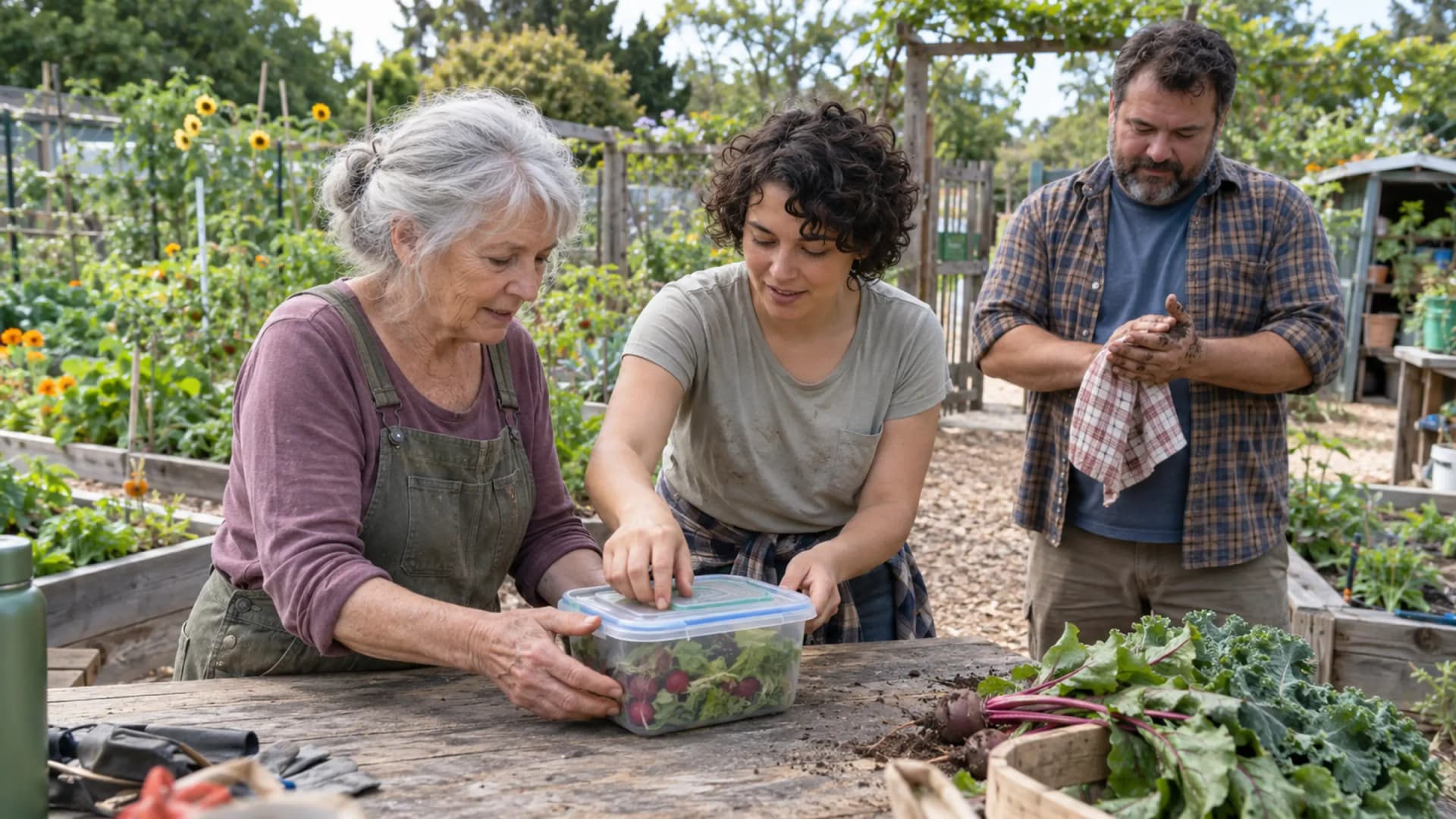
A family-oriented person generally places importance on family relationships and considers them in their choices. That might mean making time for relatives, caring for someone who needs help or investing in a household of their own. It does not have one fixed meaning: the person using the phrase gets to explain who they consider family and what matters to them.
In dating, “family-oriented” does not automatically mean “wants children,” “sees parents every week” or “puts relatives before a partner.” It is a useful starting point for a conversation, not a complete description of someone's values.
What family-oriented can mean in everyday life
For one person, the phrase describes a close relationship with parents, siblings or extended relatives. For another, it means being present for children they already have, building a future household with a partner or caring for friends they consider chosen family. Someone may mean more than one of these things.
The word can also describe an activity or place designed for families, such as a family-oriented event. That use says something about the intended audience, not a person's relationship priorities.
Care can be practical or emotional: checking in when a relative is ill, sharing a task, remembering an important date or making space for a conversation. The way it looks depends on distance, health, work, money and the relationships involved. Frequent visits are one possibility, not a test everyone must pass.
What the label does not tell you
It is easy to hear one short phrase and fill in the rest. These are separate questions:
- Children: Someone may want children, already have them, be undecided or choose not to have them.
- Contact with relatives: They may be close to some relatives, distant from others or rebuilding a connection.
- Lifestyle and tradition: They may enjoy family rituals without wanting a particular religious practice or gender role.
- A partner's role: They may hope a partner joins some gatherings, but the label does not say how often or what happens when the partner declines.
None of these answers is a character score. A person who spends a lot of time with relatives can be considerate or inconsiderate in a relationship; so can a person who sees them rarely. Notice how they treat you and others rather than treating the phrase as proof of trustworthiness.
If you are thinking about the standards you want in a relationship, our guide to relationship standards and values explores how a broad value can become a specific expectation without turning it into a rule for someone else.
What family-oriented may mean in a relationship
When a partner says family is important, the useful follow-up is not “Are you really family-oriented?” It is “What does that look like for you, and what would you hope for from me?” Two people can both care about family and still imagine different weekends, responsibilities or future plans.
You might ask about four areas:
- Who: “Who do you think of as family, and which relationships are most present in your life?”
- Care: “What kinds of time or practical support do you usually give, and what is realistic for you?”
- The future: “Do you imagine children or another kind of household? Is there anything about living near family that matters to you?”
- Choices and limits: “What would you expect a partner to join, and how would we handle it if one of us needed a different arrangement?”
You do not need to ask all four on a first date. Choose the question that fits the stage of the relationship and let the answer be specific. A shared word is not the same thing as a shared agreement. The relationship check-in can offer a way to return to these questions later if both people want to talk.
A practical example: support without assuming the plan
Hypothetical example: One partner helps an older relative with appointments on some weekends. The other values that care but also wants predictable time together. They could discuss which appointments require help, whether anyone else can share the task and which weekends each person wants to protect. A plan might work for a month and need to change if work, health or finances change.
They might agree on some dates, or discover that their available time does not fit. Neither has to pretend the difference is unimportant. Equally, caring for a relative does not give either partner the authority to decide how the other spends every weekend. For more ways to make a request both people can answer, see communication rules for couples.
Family closeness and healthy boundaries can coexist
Being involved with family does not require agreeing with every relative, sharing a partner's private information or attending every gathering. A person can care deeply about someone and still say, “I cannot help this weekend,” or “Please ask before sharing that story.”
Love is respect's guidance on respecting a partner's boundaries emphasizes asking about limits and accepting that people can have different needs. For example, a partner may enjoy sharing updates with a parent while the other wants certain conversations to remain private. They can discuss what each is comfortable sharing; neither needs to surrender all privacy to prove they care.
Pay attention if “family comes first” is used to pressure someone into giving up their choices, isolating them from support or accepting threats. Those behaviors deserve attention in their own right. If discussing a limit could lead to retaliation, consider speaking privately with someone safe or a relationship-abuse support service. Our guide to healthy relationship boundaries offers language for ordinary situations; it is not a substitute for safety planning.
What if you are distant from your family of origin?
You can value family and still have limited contact with some relatives. Distance may reflect geography, work, grief, conflict, an estrangement or a choice to protect your well-being. It may not be something you want to explain to a new date.
The American Psychological Association's reporting on family estrangement describes how complex those relationships can be and why distance can sometimes be necessary for well-being. It does not prescribe whether any particular person should reconnect. A respectful partner can ask what you are comfortable sharing without requiring a complete account or a reunion.
Chosen family can matter too. A person might show care for a longtime friend, a partner's child or someone they consider family even when there is no biological or legal relationship. You do not have to use the same label; the practical question is how each person understands their commitments and makes room for the other's needs.
How to decide whether your expectations fit
After the definition, look for the actual decisions underneath it. How much time do you each want with relatives? Would either person want to move closer to family? How might care work be shared if someone becomes ill? If children are a possibility, do you both want them, and when would you want to revisit that conversation?
Some differences may be workable with planning. Others, such as wanting children versus not wanting them, may leave no shared plan that both people want. Compatibility does not require declaring one person's family values superior. It means being honest about what each of you can choose.
The NHS guide to healthy relationships suggests listening, making time for yourself and setting limits around the support you can offer. These are general suggestions, not a test of your relationship. If you both want more conversation prompts, the relationship counseling questions can help you name a topic; they do not replace individual support when a conversation feels unsafe.
Being family-oriented can be a meaningful value. Its most useful definition is the one a person can explain in their own words—and the one that leaves room for the people around them to answer honestly.
FAQ
Does family-oriented mean someone wants children?
Not necessarily. Someone may value relatives, a partner or chosen family and still be unsure about having children or prefer not to have them. Ask about children directly if that decision matters to you.
Can you be family-oriented if you are not close to your parents?
Yes. People may define family differently or limit contact with particular relatives for many reasons. The distance alone does not tell you how they care for the people in their life.
Does family-oriented mean traditional?
Not automatically. The phrase does not specify religion, gender roles, marriage or how household work should be divided. Ask what those choices mean to the person using it.
Can someone be family-oriented when their relatives live far away?
Yes. Care can be expressed in different ways, including calls, practical help or occasional visits. Distance, health, work and money can affect what contact is possible.
Is being family-oriented a green flag?
It can describe a value someone holds, but the label alone does not establish kindness or compatibility. Pay attention to how they treat others and whether both partners can express needs and make choices freely.
Written by Caleb Merridan for reflection and relationship education. Editorial policy · Report a correction