
Key takeaways
- A prenup is generally made before marriage; spouses may consider a postnuptial agreement afterward.
- The effect of a proposed agreement depends on the applicable law and circumstances.
- Existing property, agreements, deeds and other documents may need separate review.
- Each spouse can seek independent advice from a local family-law attorney.
Learn how a postnuptial agreement differs from a prenup and what to ask about property, existing agreements and state law.
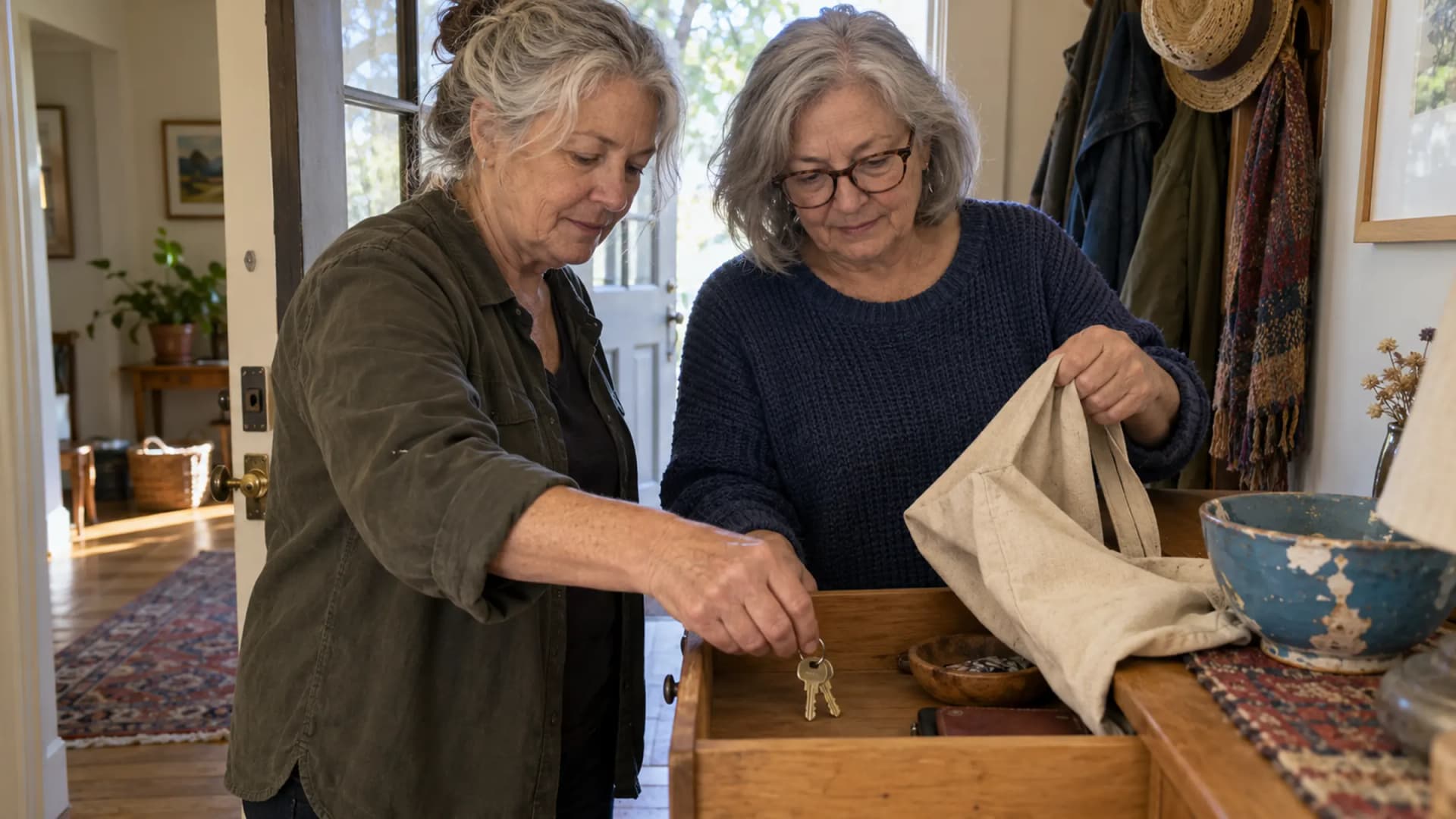
You generally cannot make a new prenuptial agreement after you are already married: a prenup is an agreement made before marriage. Married spouses may instead consider a postnuptial agreement, sometimes called a marital agreement, to address certain financial rights and responsibilities. What it can cover, how it must be made, and whether it will be enforced depend on the relevant law and the couple's circumstances.
If you already signed a prenup, do not assume a new document automatically replaces it. Bring the existing agreement and your questions to an independent family-law attorney in the relevant state. This guide explains issues to discuss; it cannot determine your rights or whether a particular agreement is valid.
Prenup vs. postnup: why the timing matters
The names describe when and in what circumstances an agreement is made. The American Bar Association distinguishes premarital agreements from agreements made between spouses during marriage. Its explanation also distinguishes both from a marital settlement agreement made after separation.
| Agreement | When it is generally discussed | A question to ask counsel |
|---|---|---|
| Prenuptial or premarital agreement | Before marriage, between people intending to marry | What rights and obligations would this agreement address? |
| Postnuptial or marital agreement | During marriage, between spouses | How does the relevant state treat the proposed terms and the property we already have? |
| Separation or marital settlement agreement | In connection with separation or resolving a marriage | What process and issues apply to our current situation? |
Terminology and treatment vary by jurisdiction. A document's title alone does not determine its legal effect. If you want the premarital starting point, our guide explains what a prenuptial agreement is.
What might a postnuptial agreement address?
Depending on state law and the couple's circumstances, spouses may want advice about property acquired before or during marriage, debts, business interests, financial responsibilities, support or what should happen if the marriage ends. The fact that a topic can be discussed does not mean every proposed term will be valid or suitable.
Start by identifying the question, rather than assuming a template supplies the answer. For example:
- Is the concern a home, retirement savings, a business, a debt or a future inheritance?
- Was the property acquired before or during marriage? Have both spouses contributed money or work?
- Is there already a prenup, cohabitation agreement, deed, trust, will or beneficiary designation to review?
- Are there other people or institutions, such as a lender or plan administrator, whose rights or rules matter?
An attorney can explain which facts and documents matter for your situation. A written agreement between spouses should not be assumed to change a deed, remove someone from a loan, override a beneficiary form, or bind a third party without checking the relevant rules and documents.
What if we already own property together?
Consider a hypothetical couple: one spouse bought a home before the wedding, and both later contributed to mortgage payments or improvements. They want to understand what would happen if they separated. A useful first step is to gather the deed, loan information, records of contributions and any existing agreement. The next step is to ask separate local attorneys what rights may already exist and what, if anything, a proposed agreement could change.
That example does not establish who owns what. Property classification and division depend on the governing law and facts; title and contributions may raise different questions. Our guide to who gets the house in a divorce explains why a home decision can involve several separate issues.
For a concrete illustration of why local rules matter, California Family Code sections 850–852 address certain changes in property character between married people. Section 852 describes a written express-declaration requirement for a covered transmutation, subject to the statute's limits. It is a California example, not a complete checklist for a postnup or a rule for every state.
What if we already have a prenup?
Tell each attorney about the existing agreement and provide a complete copy, including amendments and financial schedules. Ask whether the prenup addresses changes, which law may govern, and how a proposed postmarital agreement would interact with its terms. Do not rely on a new document's title or on an informal promise to settle the question.
This situation is different from a couple that never signed an agreement. A new agreement may be intended to address a later issue, modify earlier terms or do something else entirely; whether and how it can do so is a question for counsel reviewing the documents and applicable law.
If your earlier arrangement was a cohabitation agreement, ask how the marriage and any later documents affect it. Do not assume it automatically became a prenup or postnup.
What makes a postnup enforceable?
There is no single nationwide checklist that guarantees enforcement. The applicable law may consider the document's terms, the circumstances in which it was negotiated and signed, financial information exchanged, and required formalities. Some rules apply differently before and after marriage. Ask a lawyer in the relevant state to explain which rules apply to your proposed agreement, and ask another lawyer to advise your spouse independently.
For example, California Family Code section 721 addresses fiduciary duties in transactions between spouses. That state-specific rule is a reason to ask about the process and disclosure; it is not a statement that the same statutory wording applies everywhere.
Do not assume that using a form, signing in front of a notary, or hiring a lawyer guarantees an agreement will be enforced. These steps may have different roles depending on the jurisdiction and facts. Each person should understand what they are agreeing to and have enough opportunity to get advice without pressure.
Can a postnup decide child support or custody?
Do not assume that parents can make a binding future decision on every child-related issue in a postnup. Laws and court authority differ by jurisdiction and issue, and a child's rights and interests can limit what parents may settle privately. Ask a local family-law attorney about any proposed provision and the distinction between an agreement and a later court decision.
Similarly, ask whether your intended financial arrangements need to be coordinated with estate planning, tax advice, retirement-plan rules, deeds or beneficiary designations. A marital agreement is not automatically a substitute for each of those documents. The answer can depend on both state and federal law and on the particular asset.
How to bring up a postnup without rushing the decision
Choose a time when both people can ask questions and decline to sign immediately. You might start with: “We have made some financial decisions since we married. Could we each get advice about what our current documents mean and whether we want an agreement?”
Then separate preparation from negotiation:
- Name the goal. Are you trying to understand an existing home, a business, a debt, an inheritance plan or something else?
- Gather information. List relevant accounts, assets, obligations and existing documents. Ask counsel what additional information is needed.
- Get independent advice. Each spouse can ask a separate local attorney about rights, risks, costs and alternatives before agreeing to terms.
- Review the whole plan. Ask how the proposal interacts with other documents and whether further steps are needed.
- Allow time. Ask what formalities and records are appropriate, and do not treat a quick signature as proof of fairness or enforceability.
If cost is a concern, ask each attorney for a written estimate and what work it covers. Our prenup cost guide explains ways to compare quotes, but its figures and scope should not be assumed to be a quote for a postnup.
If you feel threatened or pressured to sign, you do not have to treat the discussion as an ordinary negotiation. Consider seeking confidential legal advice or support independently when it is safe to do so.
FAQ
Is a prenup after marriage the same as a postnup?
People sometimes use “prenup after marriage” informally, but a prenup is generally made before marriage. An agreement between spouses during marriage is commonly called a postnuptial or marital agreement. Applicable requirements can differ.
Is it too late to make an agreement if we are already married?
Not necessarily. Married spouses may be able to make a postmarital agreement, but what it can cover and whether it will be enforced depend on the applicable law and circumstances. Ask local counsel about your options.
Can a postnup change an existing prenup?
It may be possible to address or change earlier arrangements, but do not assume a new document automatically overrides a prenup. Both documents, their terms and the relevant law need legal review.
Does a postnup automatically change the title to our house?
Do not assume it does. Ask counsel how the agreement relates to the deed, any loan and the law governing your property, and whether separate steps or documents are needed.
Do both spouses need their own lawyers?
Rules differ by jurisdiction and circumstances. Independent advice can help each spouse understand their own rights and the proposed terms. Ask local attorneys what representation and other formalities are appropriate for your situation.
Written by Caleb Merridan for reflection and relationship education. Editorial policy · Report a correction