
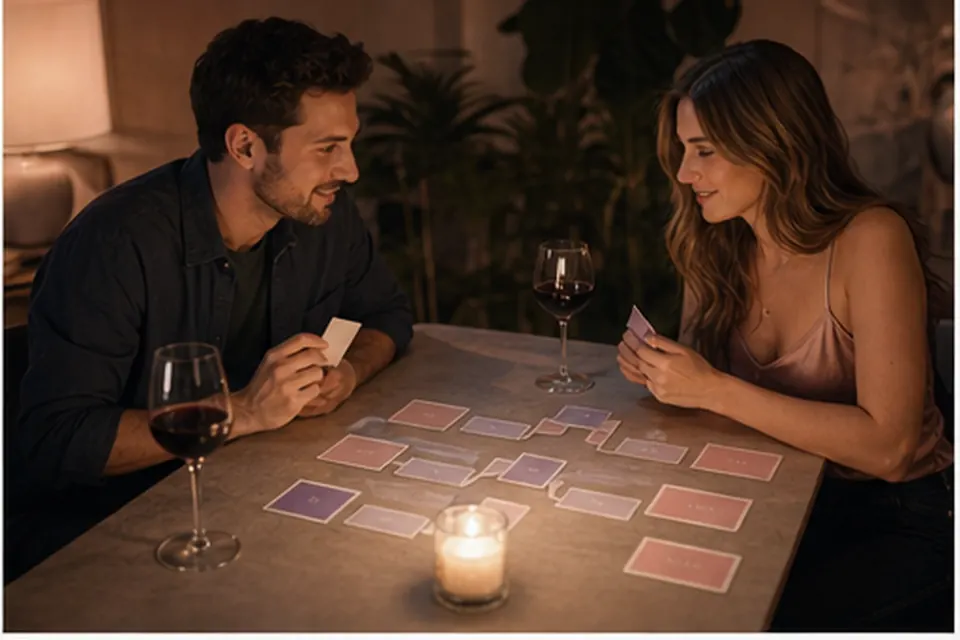
Red Flag Tournament
A bracket game where uncomfortable dating behaviors compete until the biggest dealbreaker wins.
Start Playing in 3 Steps
Make one matchup choice at a time until the bracket produces a clear winner.
- 1
Compare two behaviors
Read each matchup as a possible relationship pattern.
- 2
Pick the bigger concern
Choose the one that would need a clearer boundary first.
- 3
Name the non-negotiable
Use the final winner to define what you would not ignore.
16 options enter.

Punishes boundaries
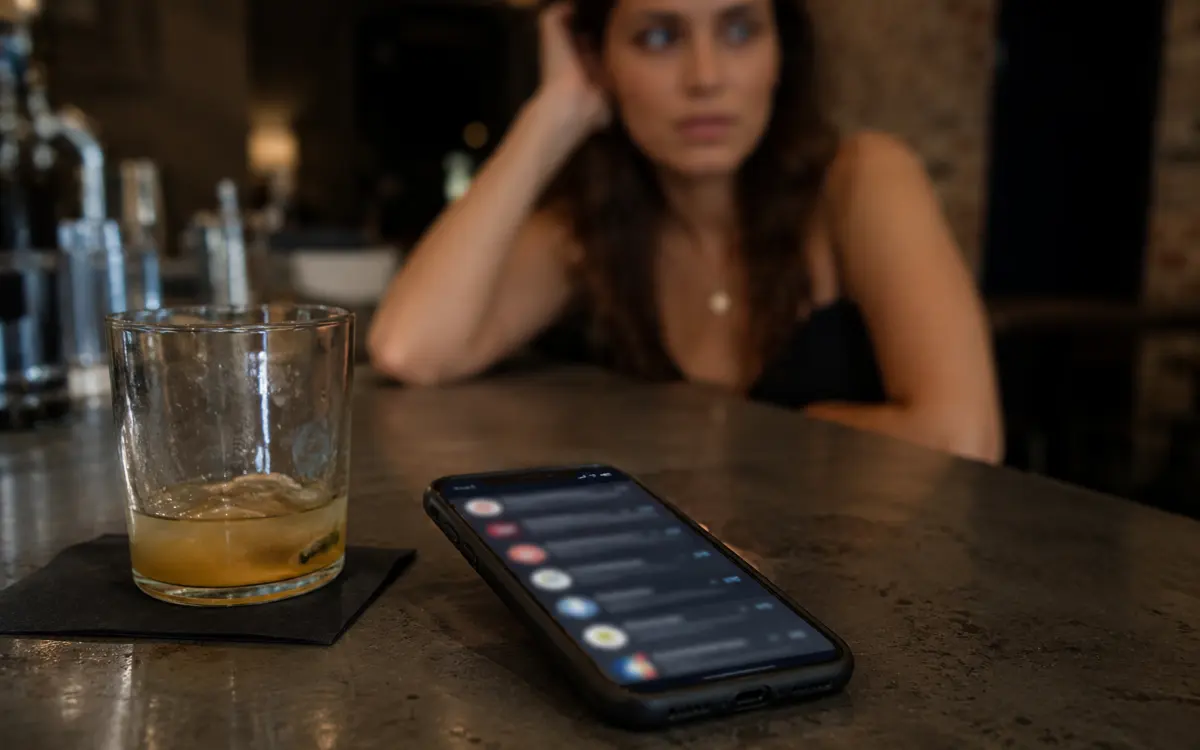
Keeps backup options

Never repairs

Tests jealousy

Mocks your feelings

Love-bombs then vanishes

Avoids accountability

Controls your friends

Keeps secrets online

Rushes commitment

Uses money as pressure
What is Red Flag Tournament?
Red Flag Tournament is a relationship game for comparing dating dealbreakers, boundaries, and uncomfortable behavior patterns without starting from a direct accusation.
The bracket includes behaviors such as hiding basic plans, punishing boundaries, keeping backup options, never repairing, testing jealousy, mocking feelings, love-bombing then vanishing, avoiding accountability, controlling friends, keeping secrets online, rushing commitment, using money as pressure, dismissing standards, flirting during conflict, breaking plans casually, and being kind only in public.
These are not random dramatic examples. They represent different kinds of relationship strain: secrecy, pressure, inconsistency, disrespect, failed repair, control, and a mismatch between public performance and private behavior.
The game is useful for people who want clearer language around what feels uncomfortable and what would need a real conversation.
Why it works for couples
Red flags are often hard to discuss because the topic can quickly become defensive. A bracket creates distance from one specific argument and lets both people compare patterns instead.
Choosing between punishing boundaries and hiding plans forces a useful distinction: is the bigger concern pressure when you say no, or uncertainty about where you stand? Choosing between never repairing and avoiding accountability asks whether the issue is apology, change, or both.
When a behavior keeps advancing, it points to a value that matters. Controlling friends may highlight autonomy. Keeping secrets online may highlight trust. Mocking feelings may highlight emotional safety.
The game does not diagnose a partner. It helps name which pattern deserves attention, a question, a boundary, or a slower decision.
How the gameplay works
Sixteen uncomfortable dating behaviors enter the tournament. In each matchup, you choose which one would feel harder to accept or more important to address.
A jealousy test may beat a casual plan-breaker if emotional manipulation feels more serious than inconsistency. A public/private mismatch may beat rushed commitment if trust depends on who someone is when no one else is watching.
The bracket makes boundaries easier to compare because it does not ask you to rate everything at once. It asks one concrete question at a time: which behavior crosses the clearer line?
By the final reveal, the winner gives you a focused topic instead of a cloud of vague discomfort.
How to read your result
The winning red flag is not a verdict that someone is bad or that a relationship must end. It is the behavior this round marked as the clearest concern.
If never repairs wins, the result points toward repair and accountability. If keeps backup options wins, the concern may be emotional availability. If uses money as pressure wins, the issue may be control hidden inside generosity.
A result can also reveal what you are most protective of right now: time, privacy, respect, consistency, friendship, emotional safety, or the right to say no.
Use the result to ask a grounded question: Have I seen this pattern? What boundary would protect me? What repair would need to happen before trust could grow?
When to play
Play when you want to clarify standards before dating seriously, after noticing a confusing pattern, or when a small conflict keeps circling around a bigger value.
It can also help friends compare dating instincts without turning the conversation into gossip. The focus stays on behavior and boundaries, not on proving someone else wrong.
If the topic is active and emotionally charged, play slowly. A game can make the opening lighter, but a real boundary still deserves direct care.
Do not use the result as a weapon in a fight. Use it as language for what needs context, repair, or a clearer standard.
What you can take away
Red Flag Tournament gives people a calmer way to sort discomfort into language.
That language matters because many people know something feels off before they know what to call it. Comparing concrete scenarios can make the pattern visible enough to discuss.
- Clearer boundary language around secrecy, pressure, disrespect, inconsistency, and control.
- A more specific way to separate irritation from a serious dealbreaker.
- A focused conversation starter for standards, repair, and emotional safety.
How it compares with ordinary question pages
Caleb Merridan Games turn relationship experience into playable choices, reveals, results, and next-step prompts. For red flags, that means comparing behavior patterns instead of only reading a warning list.
Static prompts can start a conversation. The game adds choices, reveal moments, and a clearer next step.
How you start
Read a list of questions and pick one to discuss.
Interactive
Make a small choice together so the conversation begins naturally.
What you compare
Mostly the answers you say out loud.
Interactive
Choices, reasons, surprises, and the pattern behind the result.
What the result means
Usually no result, or a simple score without much context.
Interactive
A dealbreaker winner that helps name which behavior most needs a boundary, question, repair conversation, or closer look.
Pressure level
Can feel like a serious talk if the question is direct.
Interactive
Lighter than a formal check-in, but more useful than scrolling for prompts.
| What changes | Static question list | Interactive |
|---|---|---|
| How you start | Read a list of questions and pick one to discuss. | Make a small choice together so the conversation begins naturally. |
| What you compare | Mostly the answers you say out loud. | Choices, reasons, surprises, and the pattern behind the result. |
| What the result means | Usually no result, or a simple score without much context. | A dealbreaker winner that helps name which behavior most needs a boundary, question, repair conversation, or closer look. |
| Pressure level | Can feel like a serious talk if the question is direct. | Lighter than a formal check-in, but more useful than scrolling for prompts. |
Use the result to start a conversation.
These activities are written and published by Caleb Merridan. Quizzes reflect the answers you choose; they are not clinical assessments and cannot establish what another person feels. Games offer optional prompts. You can skip a question or stop at any time.
Read our editorial standards or report a problem. If you are worried about your safety, seek appropriate support rather than relying on a score.
Play next
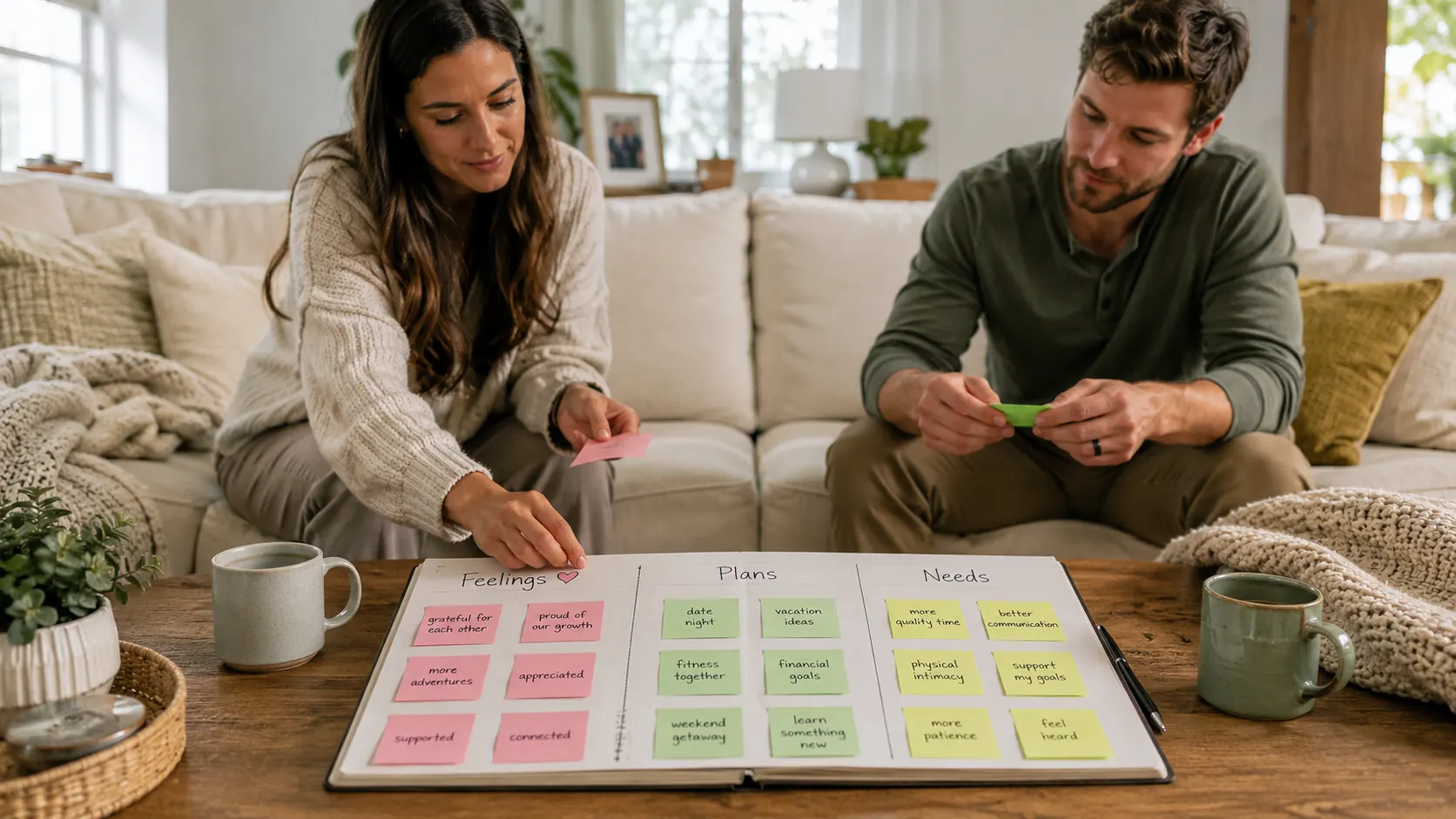
Frequently Asked Questions
How does the Red Flag Tournament bracket game work?
You choose between two options at a time until one winner survives. The winner is a preference prompt, not a fixed answer.
Can I share my Red Flag Tournament winner?
Yes, when the result screen offers sharing. Share it as a light conversation starter, not as pressure for someone else to agree.
Can I play Red Flag Tournament on my phone?
Yes. This bracket-style couple game is built for mobile browsers, so you can play it on a phone, tablet, or desktop without installing an app.
Is Red Flag Tournament free to play as a relationship game?
Yes. You can start this bracket-style couple game in your browser without an account, payment, or credit spend.
Can I replay the Red Flag Tournament bracket?
Yes. Start a new bracket when you want a different set of choices or want to compare the winner with someone else.
Is Red Flag Tournament relationship advice?
No. It is a game for reflection and conversation, not counseling, diagnosis, or a rule for what you should do next.